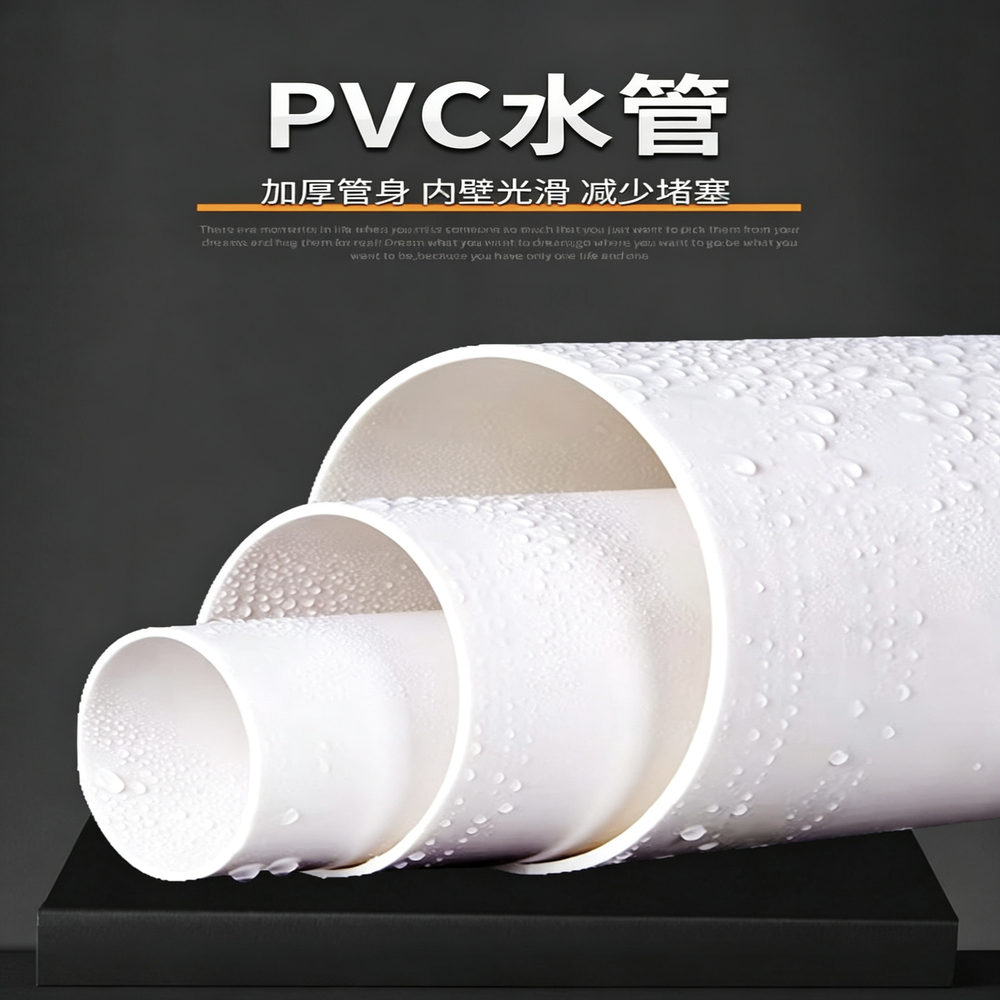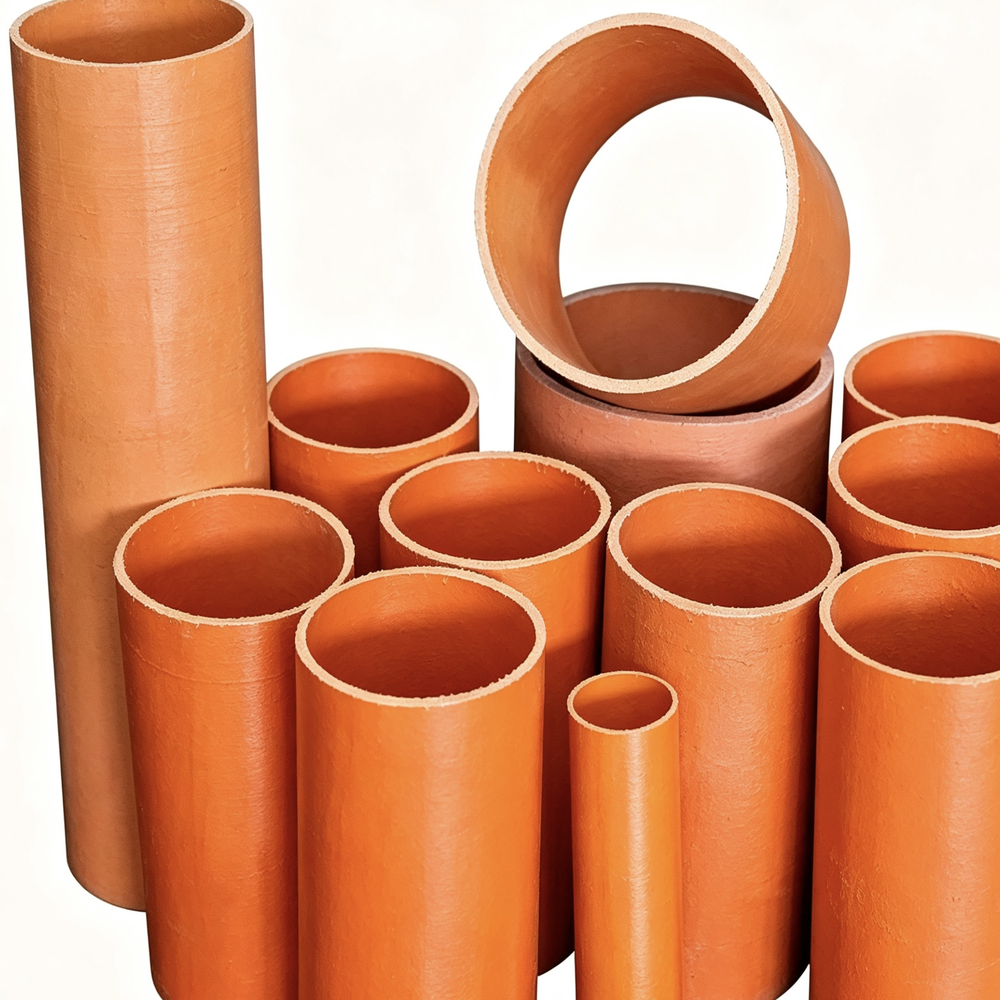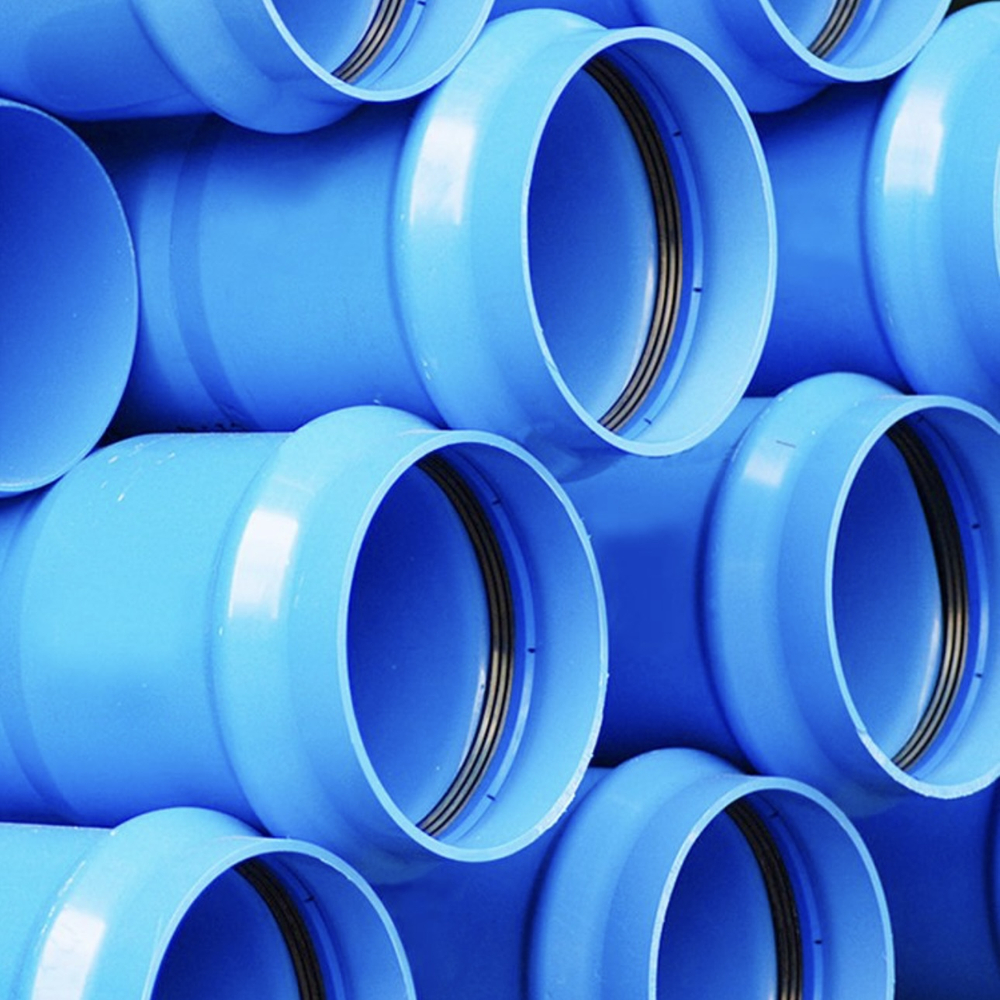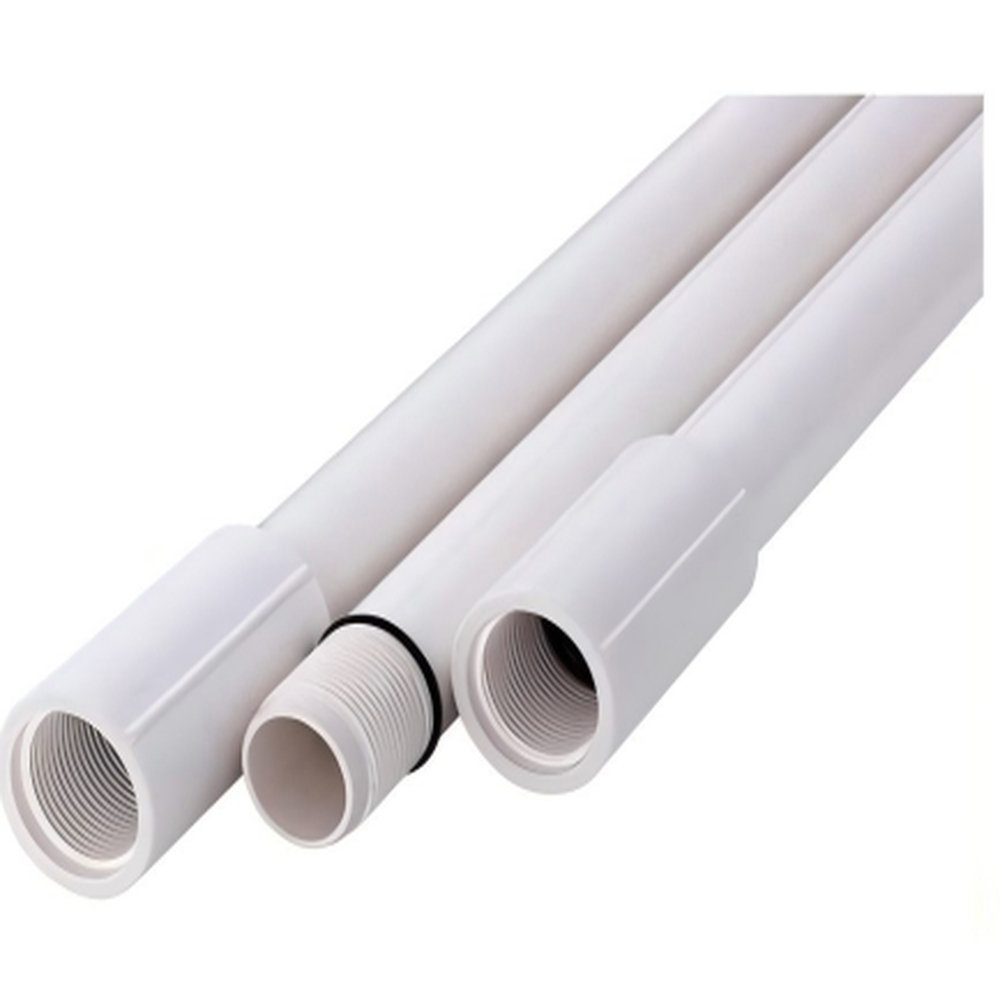
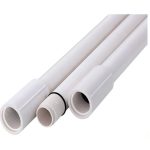
PVC Water Supply Pipe Manufacturer
Safe and hygienic for potable water
PVC-U Water Supply Pipe is manufactured from food-grade materials that comply with international drinking water standards. The material is non-toxic, odorless, and does not leach harmful substances into the water supply. Its smooth, non-porous inner surface inhibits bacterial growth and biofilm formation, ensuring clean and safe drinking water delivery from source to consumer.
Excellent corrosion and chemical resistance
Unlike metal pipes, PVC-U Water Supply Pipe will not corrode, rust, or scale when exposed to water chemicals and treatment additives. It is highly resistant to acids, alkalis, and salts commonly found in groundwater, making it suitable for a wide range of water quality conditions. This corrosion resistance eliminates the need for protective coatings or cathodic protection systems.
Smooth inner surface for efficient water flow
The smooth inner wall of PVC-U pipe minimizes friction loss and prevents scale buildup, maintaining excellent hydraulic performance throughout its service life. This results in lower pumping energy costs and higher flow capacity compared to rougher pipe materials. The self-cleaning surface also reduces maintenance requirements and ensures consistent water quality.
Lightweight and easy to install
PVC-U Water Supply Pipe is significantly lighter than metal pipes of equivalent diameter, reducing transportation costs and simplifying handling on construction sites. The socket-and-spigot joint system with rubber ring seals or solvent cement allows for quick, reliable installation without heavy equipment or specialized tools, lowering overall project costs.
Durable with long service life
PVC-U Water Supply Pipe has a design service life of 50 years or more when properly installed and operated within specified parameters. Its resistance to environmental degradation, combined with low maintenance requirements, results in a low total cost of ownership. The material is also recyclable, supporting sustainable infrastructure development and environmental responsibility.
Application Scope
As a leading PVC Water Supply Pipe Manufacturer in China, Hebei Jiuhe produces pipes that meet the highest quality standards.
- Municipal domestic water supply networks
- Agricultural irrigation systems
- Industrial water purification plants
- Low-pressure water transmission lines
- Rural drinking water supply projects
- Building water distribution systems
FAQ
What is the maximum operating pressure for PVC-U Water Supply Pipe?
PVC-U Water Supply Pipe is available in various pressure classes, commonly PN6, PN10, PN16, and PN20, corresponding to maximum operating pressures of 0.6, 1.0, 1.6, and 2.0 MPa respectively. For municipal water supply, PN10 and PN16 are most commonly used. Pressure ratings are based on continuous operation at 20°C; at higher operating temperatures, pressure must be derated according to manufacturer guidelines. For applications requiring higher pressures or temperatures, consider PE or PVC-O alternatives.
Many PVC Water Supply Pipe Manufacturer options exist, but our factory-direct pricing and16 years of experience make Hebei Jiuhe the top choice.
What sizes are available for PVC-U Water Supply Pipe?
PVC-U Water Supply Pipe is available in diameters from 20mm to 630mm for standard applications. Common residential sizes include 20mm, 25mm, and 32mm for service connections, while 63mm to 315mm are typical for distribution mains. Larger diameters up to 630mm are used for transmission pipelines. Pipes are designated by outside diameter and are available in standard lengths of 4 meters or 6 meters, with socket ends for rubber ring or solvent cement jointing.
How does PVC-U compare to PE for water supply applications?
Both PVC-U and PE pipes are suitable for water supply, each with distinct advantages. PVC-U offers higher rigidity, making it easier to support and requiring fewer brackets. It also has better UV resistance for above-ground installations. PE pipes offer superior flexibility, better impact resistance at low temperatures, and can be joined using heat fusion for leak-free connections. PVC-U is generally lower cost for smaller diameters, while PE becomes more competitive for larger sizes. The choice depends on project requirements, installation conditions, and local preferences.