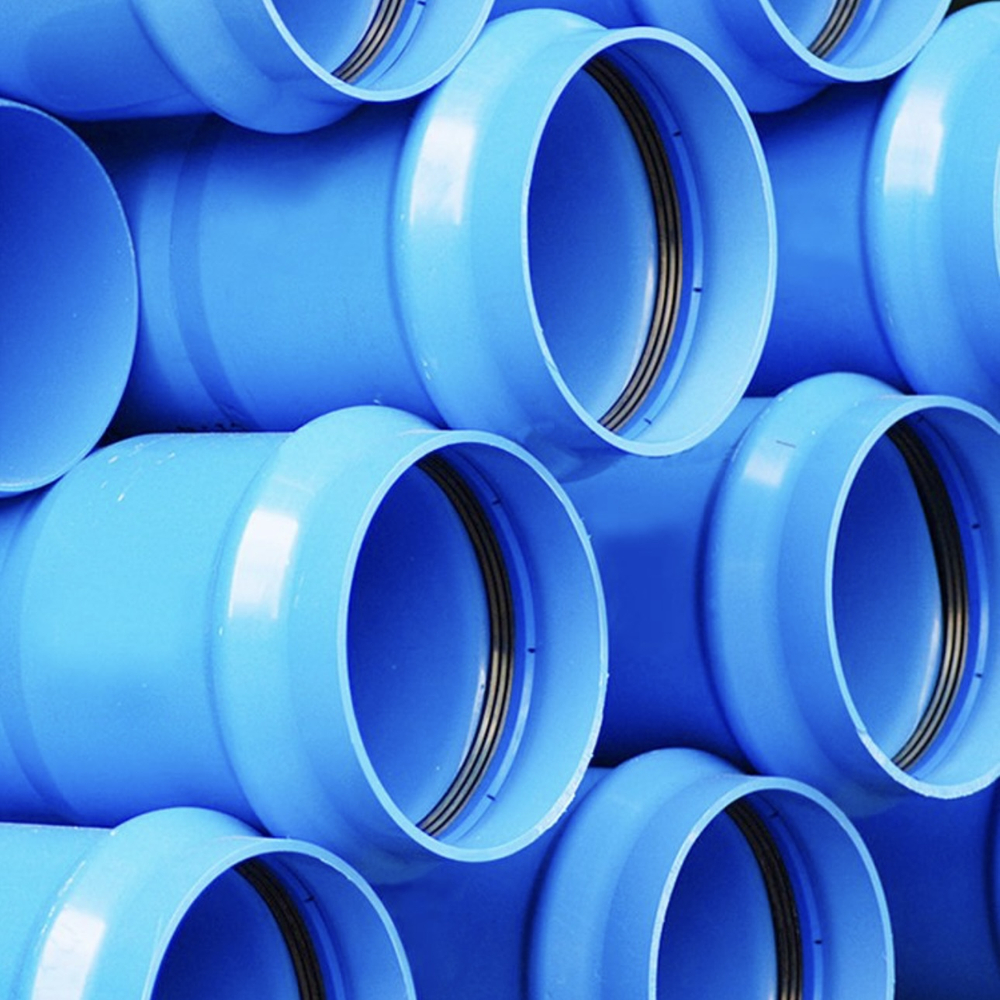
Exceptional strength-to-weight ratio
The molecular orientation process increases the tensile strength of PVC-O Pipe by 2-3 times compared to standard PVC-U pipes while reducing wall thickness. This results in a lighter pipe that is easier to handle and transport, yet offers superior resistance to internal pressure, external loads, and impact damage. The enhanced strength allows for longer pipe spans and reduced support requirements.
Outstanding toughness and crack resistance
PVC-O Pipe exhibits exceptional resistance to crack initiation and propagation, making it highly resistant to impact damage during handling and installation. Unlike conventional PVC pipes that can be brittle, PVC-O demonstrates ductile failure behavior even at low temperatures, significantly reducing the risk of sudden catastrophic failure and providing safer, more reliable water distribution systems.
Superior hydraulic performance
The smooth, defect-free inner surface of PVC-O Pipe provides excellent hydraulic characteristics with extremely low friction coefficients. This minimizes head loss and pumping energy requirements, making it ideal for long-distance water transmission. The smooth surface also prevents scale buildup and biofilm formation, maintaining water quality and flow efficiency over the system’s 50+ year service life.
Chemical and corrosion resistance
PVC-O Pipe is inherently resistant to corrosion from water chemicals, soil acids, and groundwater salts. It does not rust, scale, or degrade like metal pipes, ensuring consistent water quality and eliminating the need for corrosion protection systems. Its chemical resistance makes it suitable for potable water and various industrial applications without special treatment or liners.
Environmentally sustainable solution
PVC-O Pipe requires less raw material per unit of pressure capacity compared to conventional pipes, reducing resource consumption and manufacturing energy. Its long service life, low maintenance requirements, and recyclability contribute to sustainable infrastructure development. The reduced pumping energy from superior hydraulics further decreases the carbon footprint of water distribution systems.
Application Scope
- Large-diameter municipal water supply networks
- Long-distance water transmission pipelines
- Water-saving agricultural irrigation systems
- Pressure drainage and sewage systems
- Industrial water distribution networks
- Rural drinking water supply projects
FAQ
What is the difference between PVC-O and standard PVC-U pipes?
PVC-O (Molecularly Oriented PVC) undergoes a specialized manufacturing process that stretches the pipe biaxially—circumferentially and longitudinally—aligning the polymer molecules in both directions. This molecular orientation increases tensile strength by 2-3 times and impact resistance by 5-10 times compared to PVC-U (Unplasticized PVC). PVC-O pipes have thinner walls for the same pressure rating, resulting in better flow capacity and lighter weight. They also exhibit ductile failure behavior rather than the brittle fracture typical of PVC-U, providing superior safety and reliability.
What diameter range and pressure classes are available for PVC-O Pipe?
PVC-O Pipe is available in diameters from 90mm to 630mm for standard municipal applications, with larger sizes up to 1000mm for major transmission projects. Common pressure classes include PN10, PN12.5, PN16, PN20, and PN25. The molecular orientation process allows PVC-O pipes to achieve these pressure ratings with significantly thinner walls compared to PVC-U, maximizing flow capacity while maintaining structural integrity. The appropriate pressure class should be selected based on system operating pressure and allowable surge margins.
How is PVC-O Pipe joined and installed?
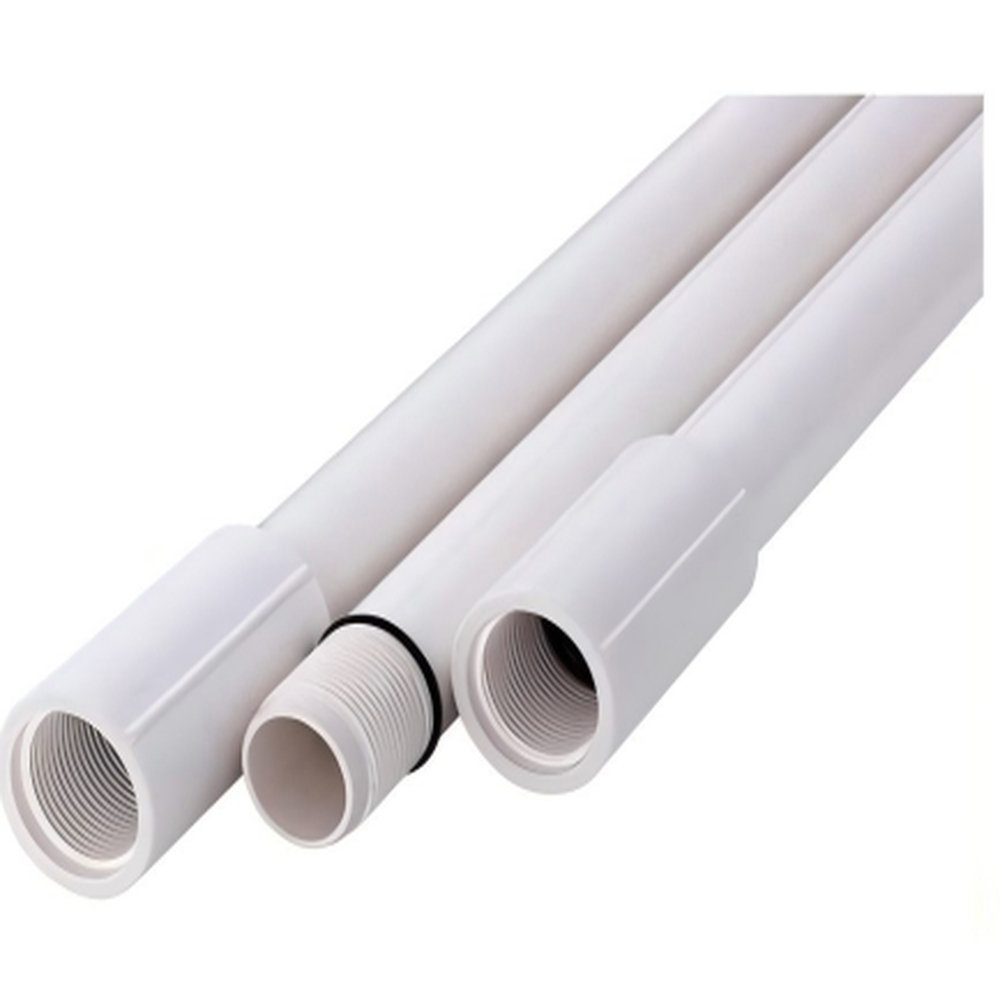
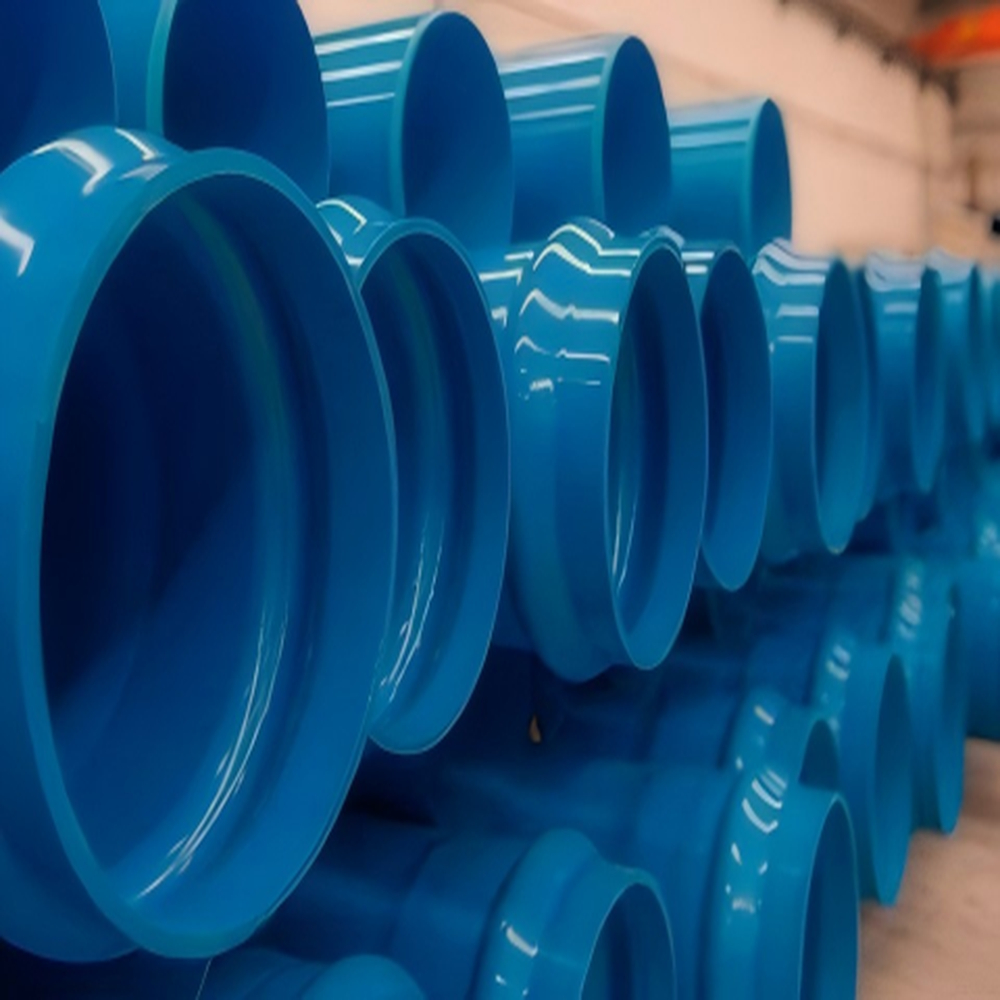
PVC-O Pipe uses specialized joint systems designed for its unique properties. The most common jointing methods include: (1) Integra joint with integrated elastomeric seal for push-fit assembly, (2) Flanged joints for connection to valves and equipment, and (3) Sleeve-type couplings for repairs. The pipes are typically supplied in 6-meter lengths for easier handling. Installation follows standard trenching procedures with appropriate bedding materials. The lighter weight and efficient joint system enable faster installation compared to traditional pipe materials, reducing project time and labor costs.