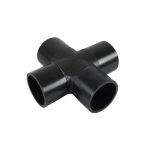
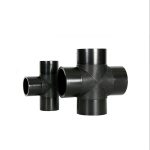
- Good connection strength
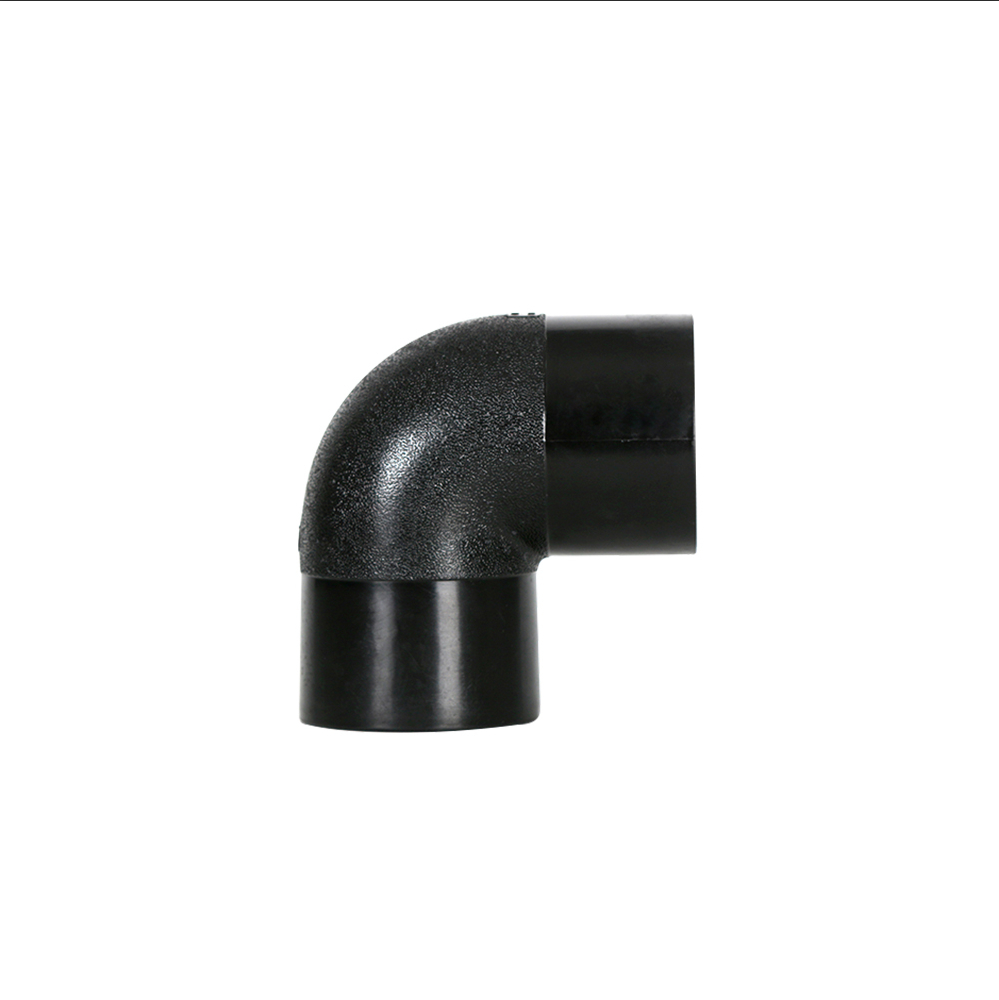
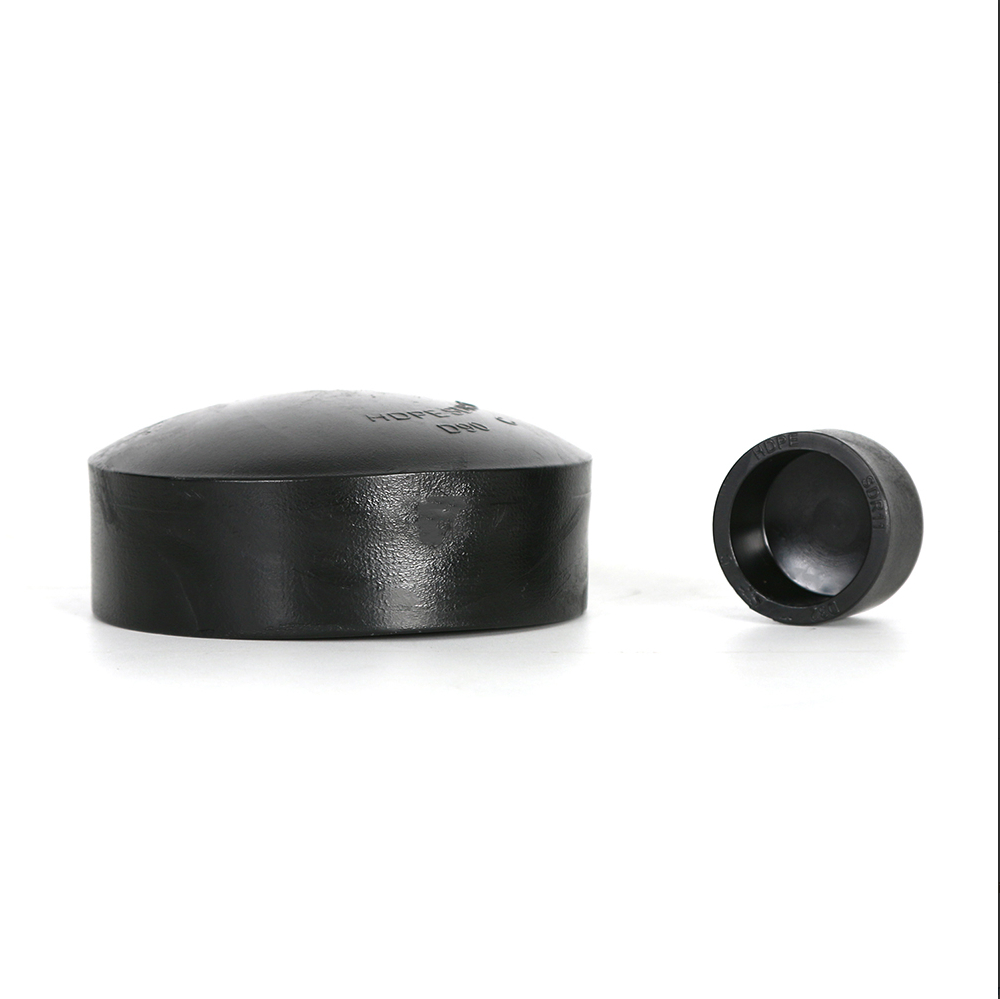
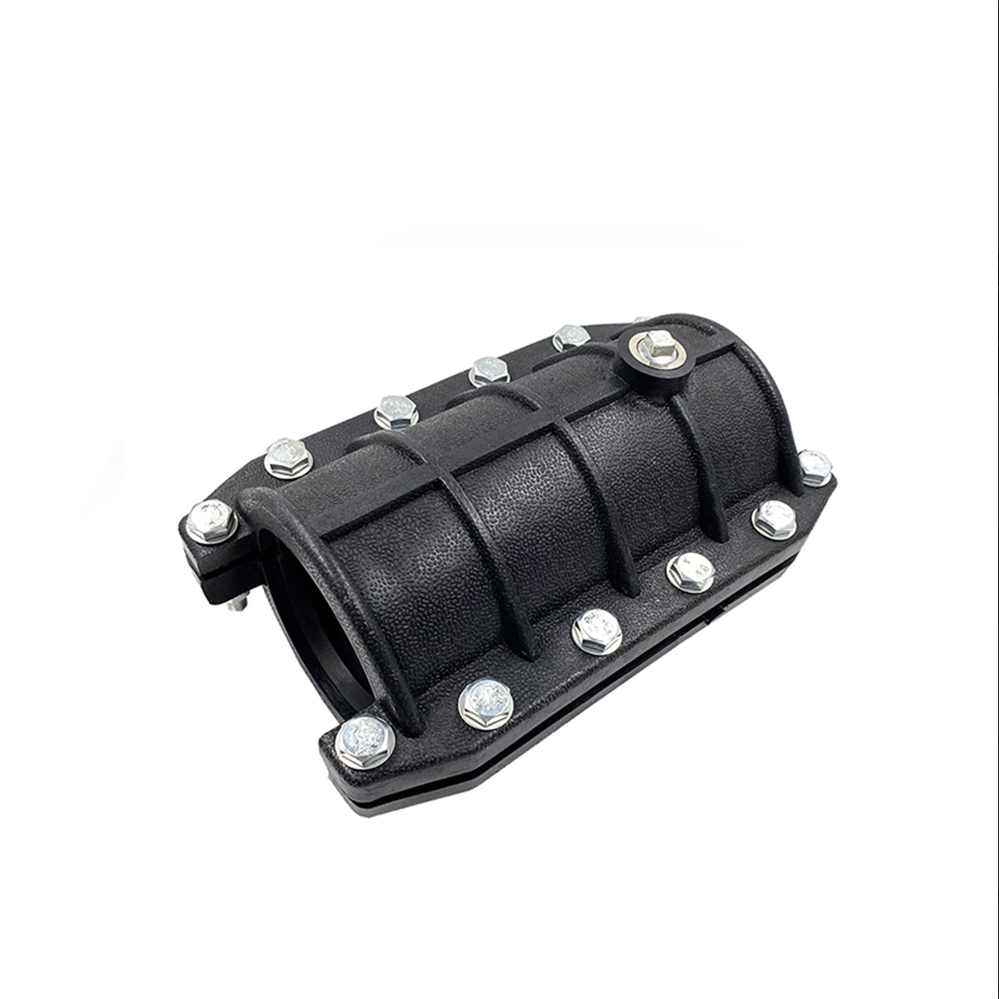
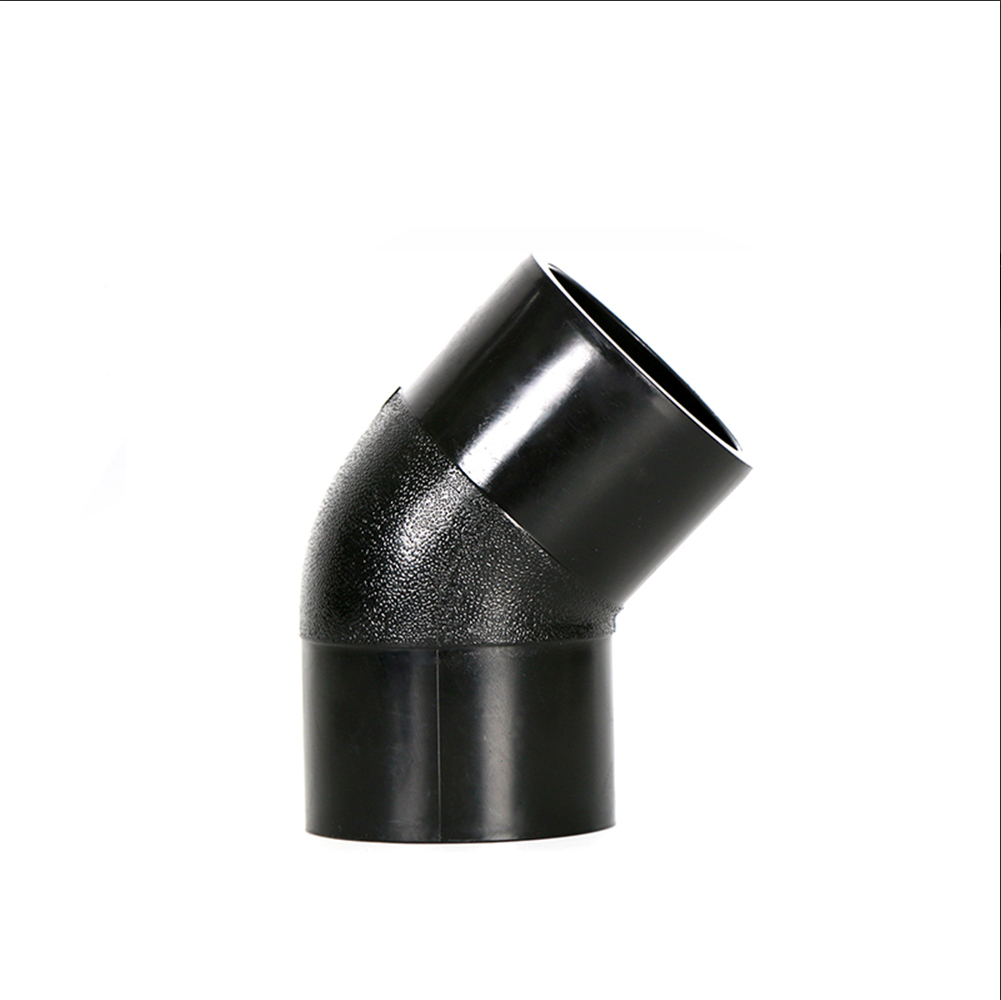
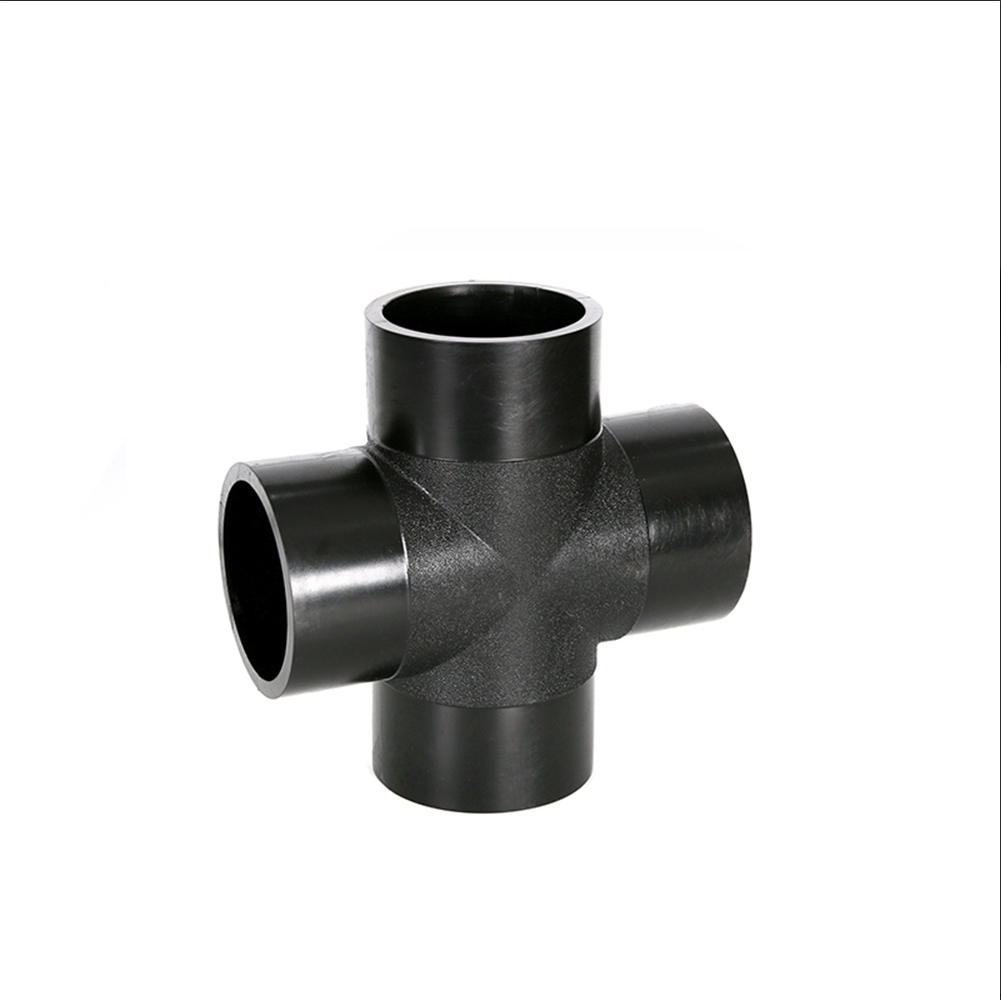
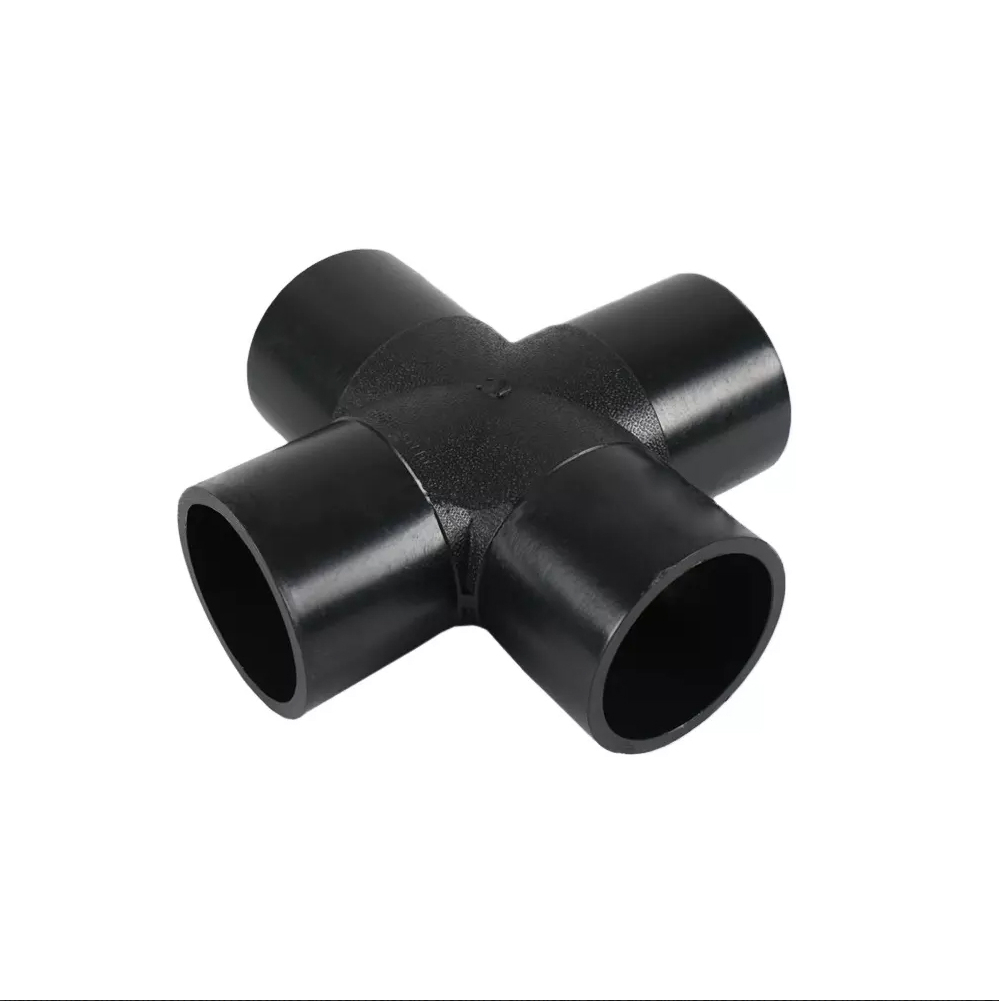
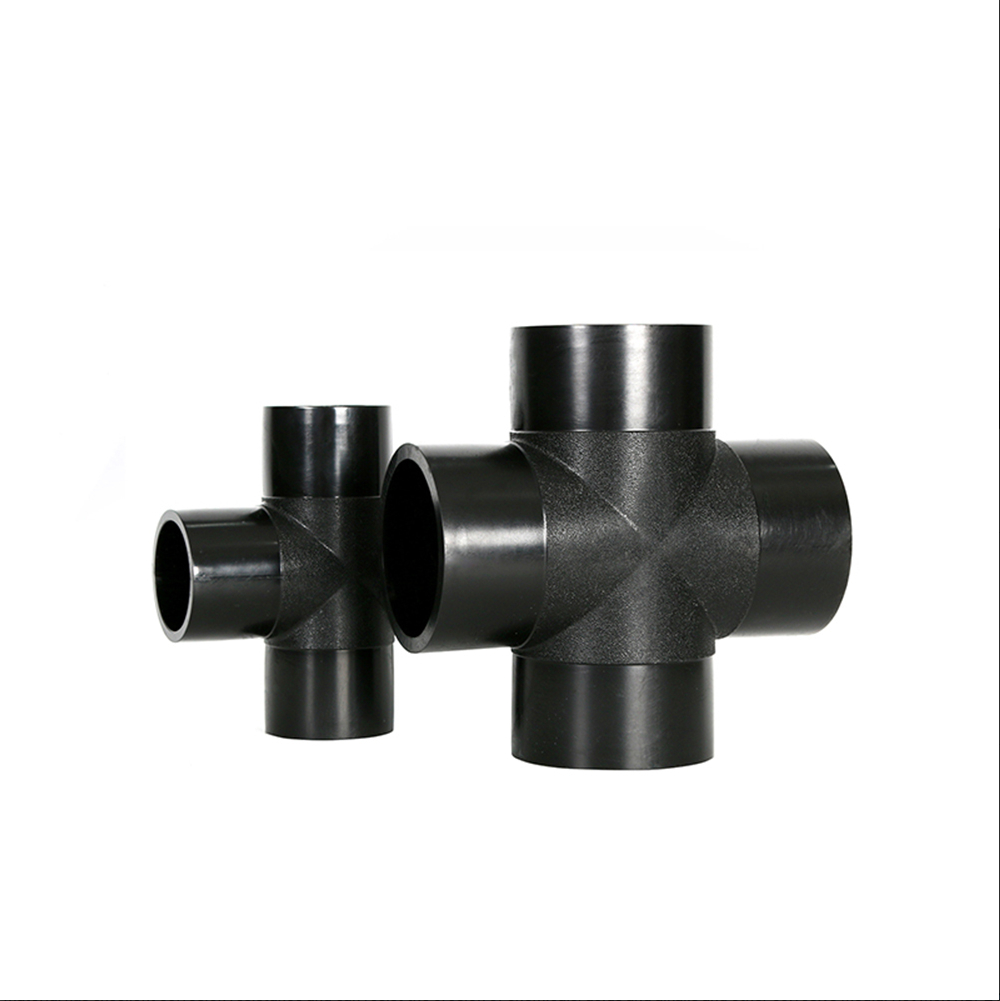
Hot melt HDPE pipe fittings heat pipes and pipe fittings to a molten state so that they are fused together to form a strong connection. This connection method is stronger than traditional mechanical connections and can withstand higher pressure and tension. - Corrosion resistance
HDPE material has excellent corrosion resistance and can resist the erosion of chemicals, acids and alkalis and other corrosive media. Hot melt HDPE pipe fittings are made of HDPE material and can work stably in various corrosive environments for a long time. - Good sealing performance
When hot-melt PE pipe fittings are connected, the pipes and pipe fittings are welded together through hot-melt technology to form an integrated connection with good sealing performance. This effectively prevents liquid or gas leaks and ensures the reliability and safety of the pipeline system. - Good wear resistance
HDPE material has strong wear resistance and can resist friction and wear. Hot-melt HDPE pipe fittings can work stably for a long time in pipeline systems with high flow rates and high pressures. - Seismic performance
Hot melt HDPE pipe fittings have good seismic performance and can maintain the stability of the connection under external forces such as earthquakes. This is particularly important in earthquake-prone areas.
Application Scope
- Drainage system
- Chemical pipeline
- Mining field
- Agricultural irrigation field
- Metallurgical pipeline field
- Construction sector
FAQ
What is the difference between HDPE Butt Fusion Fittings and traditional mechanical connections?
Hot-melt HDPE pipe fittings use hot-melt technology to fuse pipes and pipe fittings together to form a strong connection, while traditional mechanical connections fix pipes and pipe fittings together through threads, clamps, etc. Hot melt connection has higher connection strength and better sealing performance, and is suitable for applications with higher pressure and tension.