PVC pipe sizes are written as DN (nominal diameter in mm) O inch, and the wall thickness is set by DSP (standard dimension ratio) or by the pressure class (PN). To order the right pipe you need three numbers: outside diameter (DN/OD), wall thickness (or SDR / PN), and length. This guide explains each, with a conversion table and the mistakes that cause wrong orders.
DN, OD and ID — what each one means
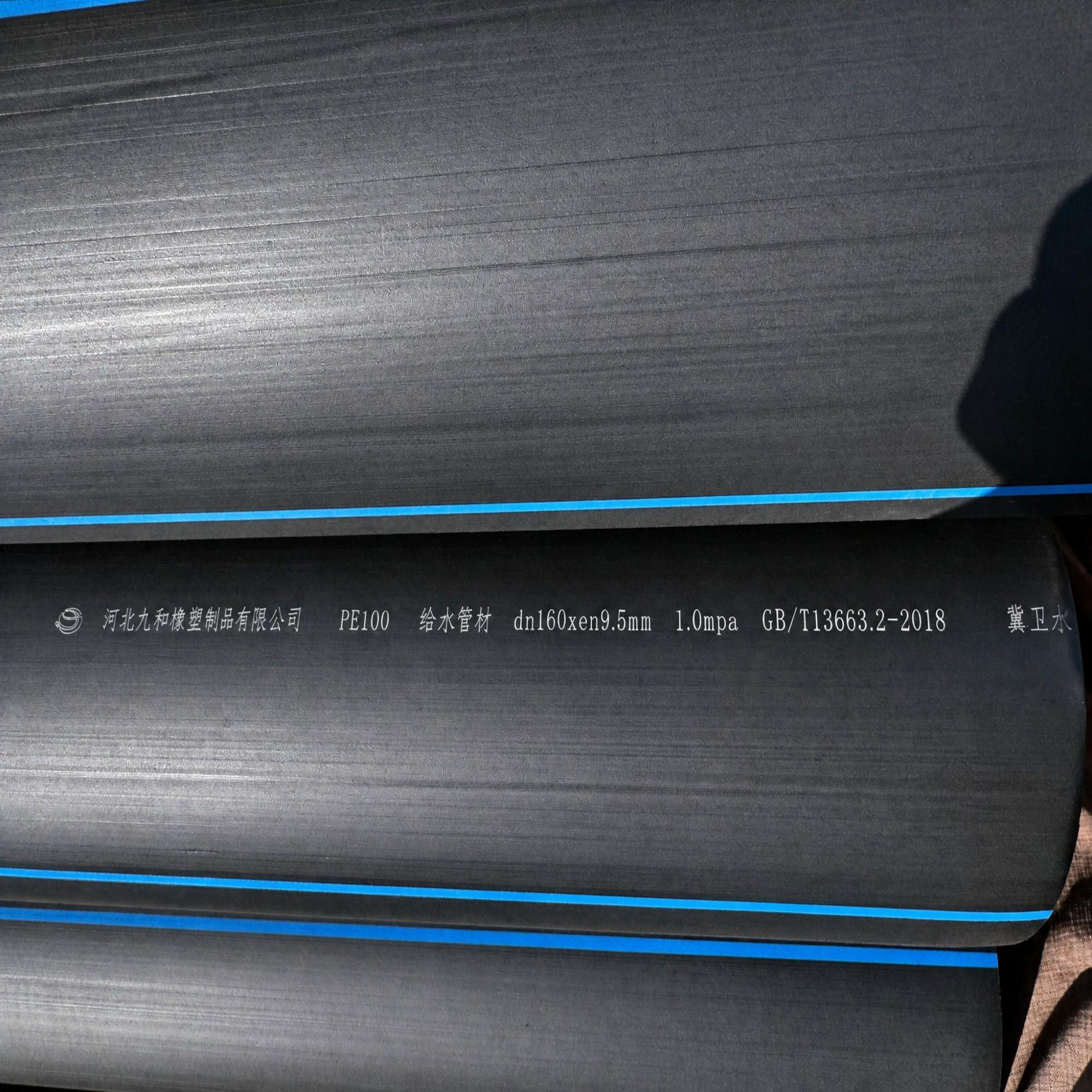
DN is the nominal diameter — a size label, not a precise inside diameter. OD is the outside diameter, which is fixed by the standard for a given DN. ID is the inside diameter and equals OD minus twice the wall thickness, so it changes with SDR and PN.
This is the single most common source of confusion: DN25 does not mean a 25 mm inside diameter. Always confirm against the outside diameter and the wall.
DN vs inch: common conversions
| DN (mm) | Inch (approx.) |
|---|---|
| DN15 | 1/2″ |
| DN20 | 3/4″ |
| DN25 | 1″ |
| DN32 | 1-1/4″ |
| DN40 | 1-1/2″ |
| DN50 | 2″ |
| DN65 | 2-1/2″ |
| DN80 | 3″ |
| DN100 | 4″ |
| DN150 | 6″ |
| DN200 | 8″ |
| DN250 | 10″ |
| DN300 | 12″ |
What SDR means
SDR is the ratio of outside diameter to wall thickness:
SDR = outside diameter ÷ wall thickness
UN lower SDR means a thicker wall and a higher pressure rating. For example, DSP 21 is a thinner wall than SDR 13.6 at the same diameter, so SDR 21 holds less pressure. When you order by SDR, you are really choosing the pressure capability.
What PN means
PN is the nominal pressure rating in bar at 20 °C for water. Higher PN means a thicker wall. A rough guide to typical use:
| PN | Typical use |
|---|---|
| PN6 | low-pressure irrigation and drainage |
| PN10 | general water distribution |
| PN16 | higher-pressure distribution |
| PN25 | PVC-O pressure mains (Class 500) |
How to measure a pipe you already have
- Measure the outside diameter with a caliper, or wrap a tape around the pipe and divide the circumference by 3.14.
- Measure the wall thickness with a caliper at the cut end.
- Match both numbers to the size chart to confirm DN and SDR/PN.
Temperature derating
Pressure ratings are quoted for cold water at 20 °C. As the water temperature rises, the safe working pressure falls. PVC-U and PVC-O are cold-water pipes, with a service temperature around 45 °C maximum — do not use them for hot water.
Common ordering mistakes
- Confusing DN with inside diameter. DN25 is about 1″ outside size, not a 25 mm bore — always confirm against OD and wall.
- Ordering by PN without SDR. Two pipes can share a PN but differ in wall if the material differs; give both.
- Ignoring temperature derating. Pressure ratings are for cold water; higher temperature lowers the safe pressure.
- Mixing metric and inch fittings. A DN25 pipe does not always accept a 1″ threaded fitting — check the thread standard.
Related products
- PVC-U water supply pipe — rigid cold-water and drainage pipe.
- PVC-O pipe — high-pressure oriented PVC mains (替换为你站上 PVC-O 产品页 URL).
FAQ
What does DN mean in PVC pipe?
DN stands for “diamètre nominal” (nominal diameter) in millimetres. It is a nominal size reference, not a precise inside diameter — the actual outside diameter and wall are set by the standard.
How do I convert DN to inches?
Use the table above. As a rule of thumb, DN25 ≈ 1″, DN50 ≈ 2″, DN100 ≈ 4″, DN150 ≈ 6″, DN200 ≈ 8″. Always confirm against the outside diameter.
What is SDR in PVC pipe?
SDR is the outside diameter divided by wall thickness. A lower SDR means a thicker wall and higher pressure rating.
Is a higher SDR stronger?
No — the opposite. A higher SDR means a thinner wall and a lower pressure rating. Choose SDR by the pressure your line needs.
What is the difference between DN and OD?
DN is a nominal size label, while OD is the actual outside diameter fixed by the standard for that DN. DN is used to order; OD is used to check.