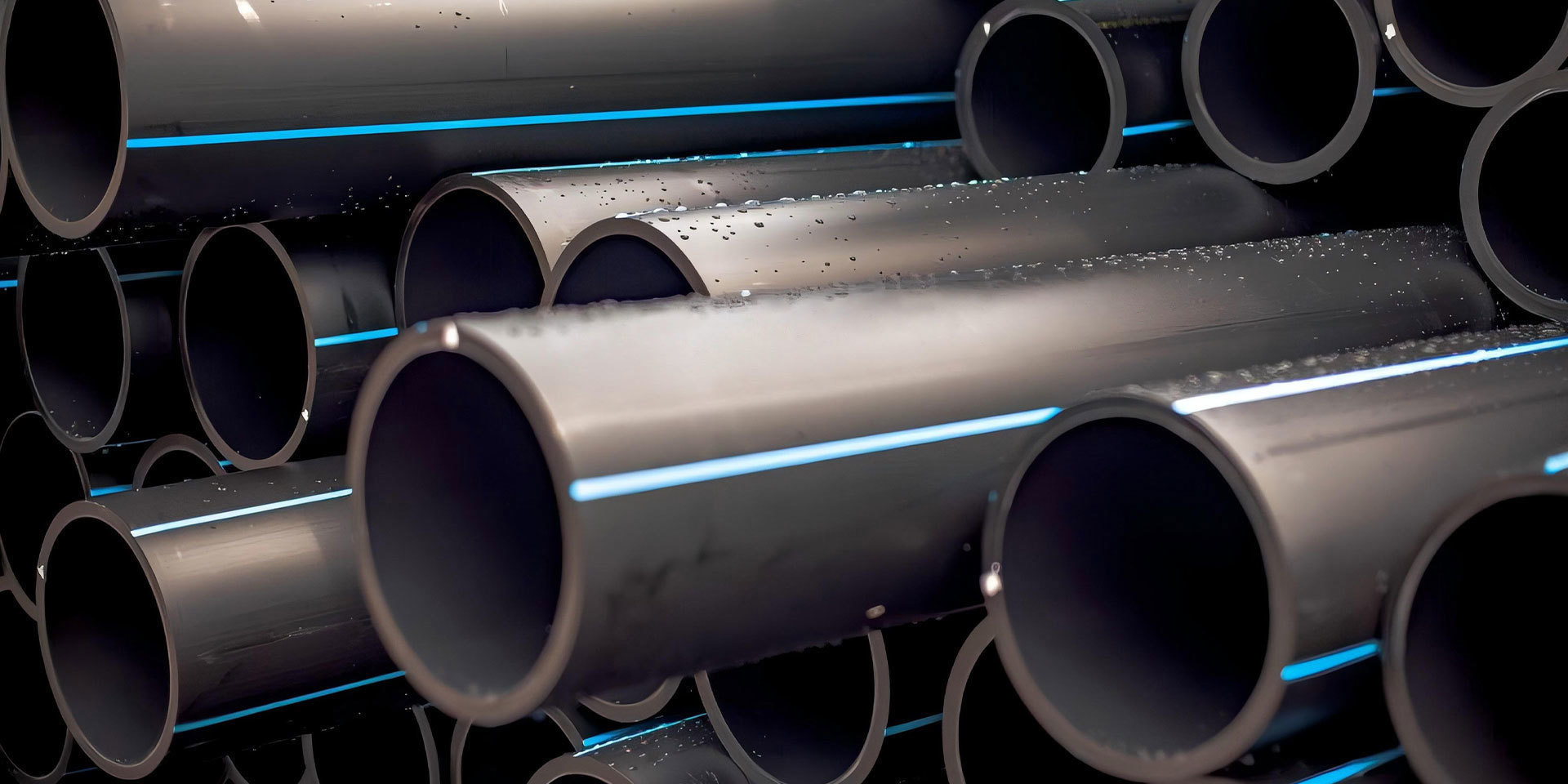
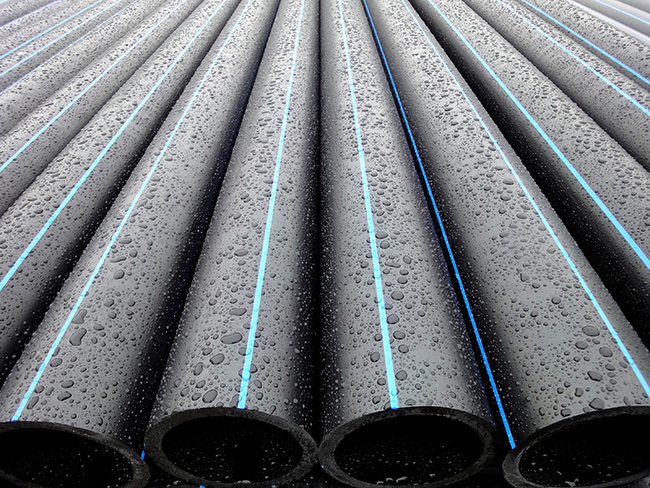
PE Water Supply Pipe is the preferred choice for municipal and residential water systems due to its flexibility, 耐腐蚀性, 和 50+ 年使用寿命. 然而, proper installation is critical to achieve these benefits.
Hebei Jiuhe Rubber & 塑料制品公司, 有限公司. has been manufacturing PE Water Supply Pipe since 2010. 和 16 years of experience and 20 national patents, we have supported installation projects in over 30 国家, 包括中东, 东南亚, 和非洲.
PE Water Supply Pipe installation is critical for municipal and residential water systems. PE Water Supply Pipe is the preferred choice due to its flexibility, 耐腐蚀性, 和 50+ 年使用寿命. 然而, proper installation is critical to achieve these benefits.
This guide explains the complete installation process, from trench preparation to pressure testing, with practical tips from our field engineers.
1. Preparation Before Installation
1.1 Site Survey
Before any PE Water Supply Pipe installation, conduct a thorough site survey:
- Check soil conditions (rock content, water table, contamination)
- Identify existing utilities (气体, electric, telecom, sewer)
- Mark the pipe route with stakes or paint
- Confirm pipe specifications match project requirements
- Verify delivery quantities and diameters
1.2 Tools and Equipment
Prepare the following equipment before starting PE Water Supply Pipe installation:
- Butt fusion machine or electrofusion welder
- Pipe cutters or saws
- Clamps and alignment tools
- Pressure testing pump
- Generator (if no site power)
- Safety gear (gloves, goggles, helmets)
1.3 Pipe Storage
- Store PE Water Supply Pipe on flat ground, away from sharp objects
- Avoid prolonged direct sunlight (UV degrades PE)
- Cover with tarpaulin if stored outdoors for more than 30 天
- Do not stack pipes too high to prevent deformation
2. 沟槽准备
2.1 Trench Dimensions
The trench width should be at least 30 cm wider than the pipe diameter. For DN110 PE Water Supply Pipe, a trench width of 60–80 cm is typical. Depth depends on local frost line and traffic load, but usually 80–150 cm.
2.2 Trench Bottom
- Remove rocks, debris, and sharp objects from the trench bottom
- Provide a 10–15 cm bedding layer of sand or fine soil
- Ensure the trench bottom is level and compacted
- For unstable soil, use geotextile or gravel base
3. 管道敷设
3.1 Lowering the Pipe
PE Water Supply Pipe is lightweight (about 1/8 the weight of steel pipe), so manual handling is usually possible for small diameters. 对于更大的直径, use a crane or excavator with fabric slings. Never use chains or steel cables directly on the pipe.
3.2 Bending Radius
The minimum bending radius for PE Water Supply Pipe is 20 times the diameter. For example, DN110 pipe can be bent to a minimum radius of 2.2 meters. Avoid sharper bends—they stress the pipe wall.
3.3 Directional Changes
For sharp direction changes, use standard fittings (elbows, tees) instead of bending the pipe. This ensures long-term joint integrity.
4. Joining Methods
4.1 Butt Fusion (Most Common)
Butt fusion is the preferred joining method for PE Water Supply Pipe installation. Here is the procedure:
- Clamp the pipe ends in the fusion machine
- Face the ends with the planing tool until parallel and clean
- Check alignment and gap (should be minimal)
- Heat the pipe ends with the heated plate (210°C ± 10°C)
- Remove the heated plate quickly
- Press the pipe ends together under controlled pressure
- Hold pressure during cooling (typically 3–5 minutes per inch of wall thickness)
- Inspect the fusion bead for uniformity
4.2 电熔
Electrofusion is ideal for small diameters and repair work:
- Cut the pipe square and mark the insertion depth
- Scrape the pipe surface (remove oxidation layer)
- Clean with isopropyl alcohol
- Insert the pipe into the fitting
- Connect the fusion wires to the welding machine
- Enter the barcode or manual parameters
- Start the fusion cycle (typically 1–3 minutes)
- Allow cooling for 30 minutes before moving
4.3 Flange Connections
Use flange adapters for connection to valves, pumps, or other materials. Tighten bolts evenly in a star pattern to prevent uneven loading.
5. 回填
5.1 Initial Backfill
Backfill the first 30 cm above the PE Water Supply Pipe with sand or fine soil, free of rocks larger than 20 毫米. 用手或用轻型设备压紧. This protects the pipe from point loads.
5.2 Final Backfill
Use excavated material for final backfill, but remove large rocks (over 100 毫米). 20-30 厘米层压实. If mechanical compaction is used, ensure at least 30 cm of soil cover first.
5.3 Warning Tape
Place a detectable warning tape 30–50 cm above the PE Water Supply Pipe. This alerts future excavation crews to the pipe’s location.
6. Pressure Testing
6.1 Preparation
Pressure testing is mandatory before commissioning any PE Water Supply Pipe installation:
- Fill the pipe slowly with water (avoid air pockets)
- Expel all air through vent valves
- Allow the pipe to stabilize for 24 小时
- Pressure-test against the test pressure (通常 1.5 × working pressure)
6.2 Test Procedure
- Raise pressure gradually to test pressure over 1 hour
- Hold pressure for 1 hour (initial phase)
- Reduce to design pressure and hold for 1 hour
- Measure pressure drop—should not exceed 5%
- Inspect all joints for leaks
6.3 Disinfection (For Drinking Water)
For PE Water Supply Pipe carrying drinking water, disinfect with chlorine solution (50 mg/L) for 24 小时, then flush thoroughly with clean water before connecting to the network.
7. Common Installation Mistakes to Avoid
7.1 Poor Trench Preparation
Rocks or debris under the pipe cause point loads and eventual failure. Always use proper bedding material.
7.2 Incorrect Fusion Parameters
Wrong temperature, pressure, or cooling time creates weak joints. Follow the machine manufacturer’s specifications exactly.
7.3 Insufficient Bending Radius
Sharp bends stress the pipe wall and cause cracks. Respect the minimum bending radius (20 × diameter).
7.4 Skipping Pressure Testing
Always pressure-test PE Water Supply Pipe installation before backfilling. Leaks are easier to fix when the pipe is exposed.
8. Why Buy PE Water Supply Pipe from Hebei Jiuhe?
- 16 years of PE pipe manufacturing experience
- 20 管材生产国家专利
- 国际标准化组织 9001 和CE认证工厂
- Complete range of butt fusion and electrofusion equipment
- On-site installation guidance for large projects
- 导出到 30+ 拥有完整文件的国家
常见问题解答
How deep should PE Water Supply Pipe be buried?
Typical burial depth is 80–150 cm, depending on frost line and traffic load. In cold regions, install below