
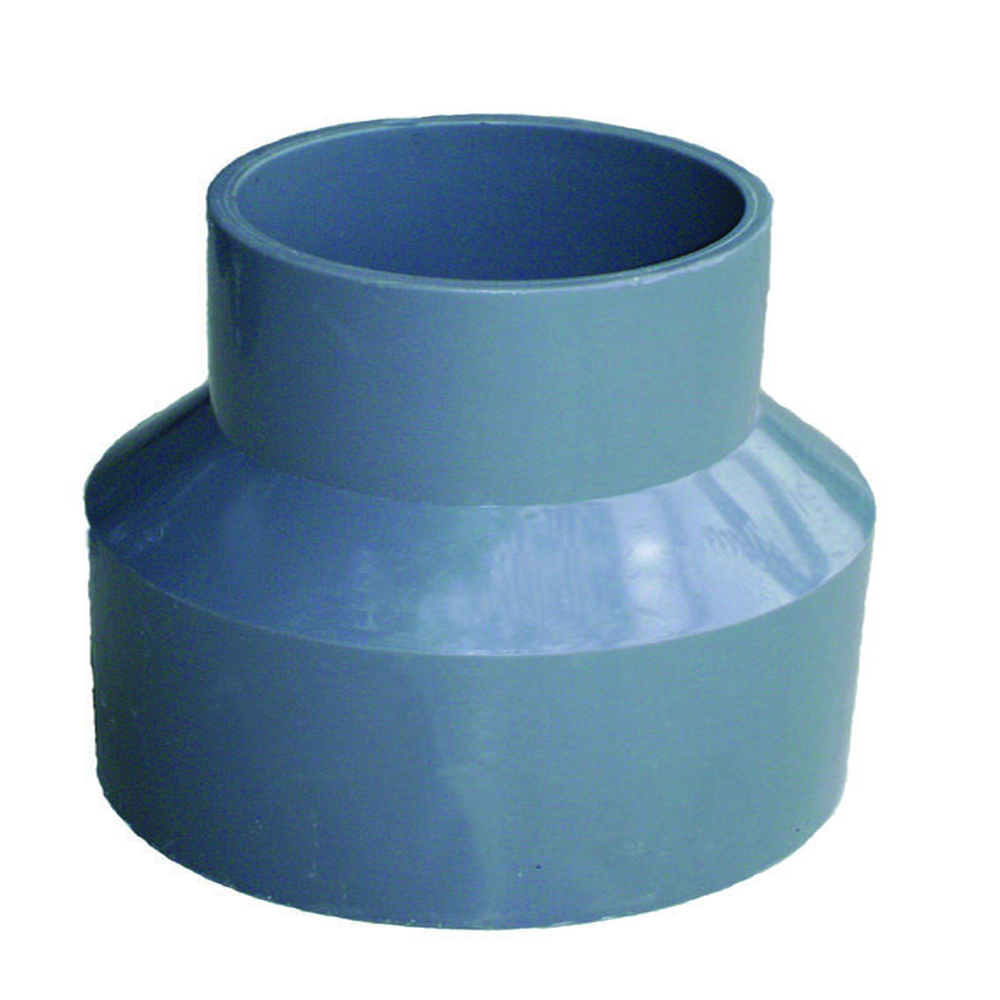
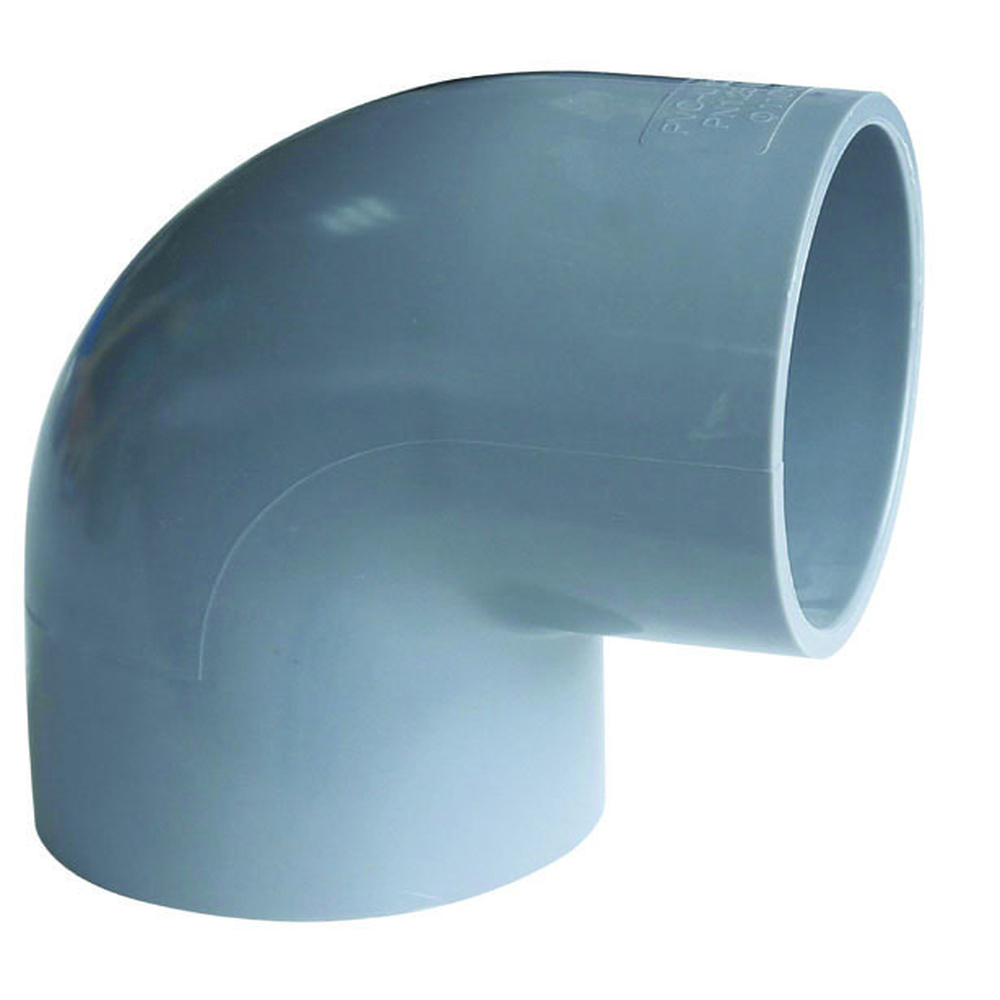
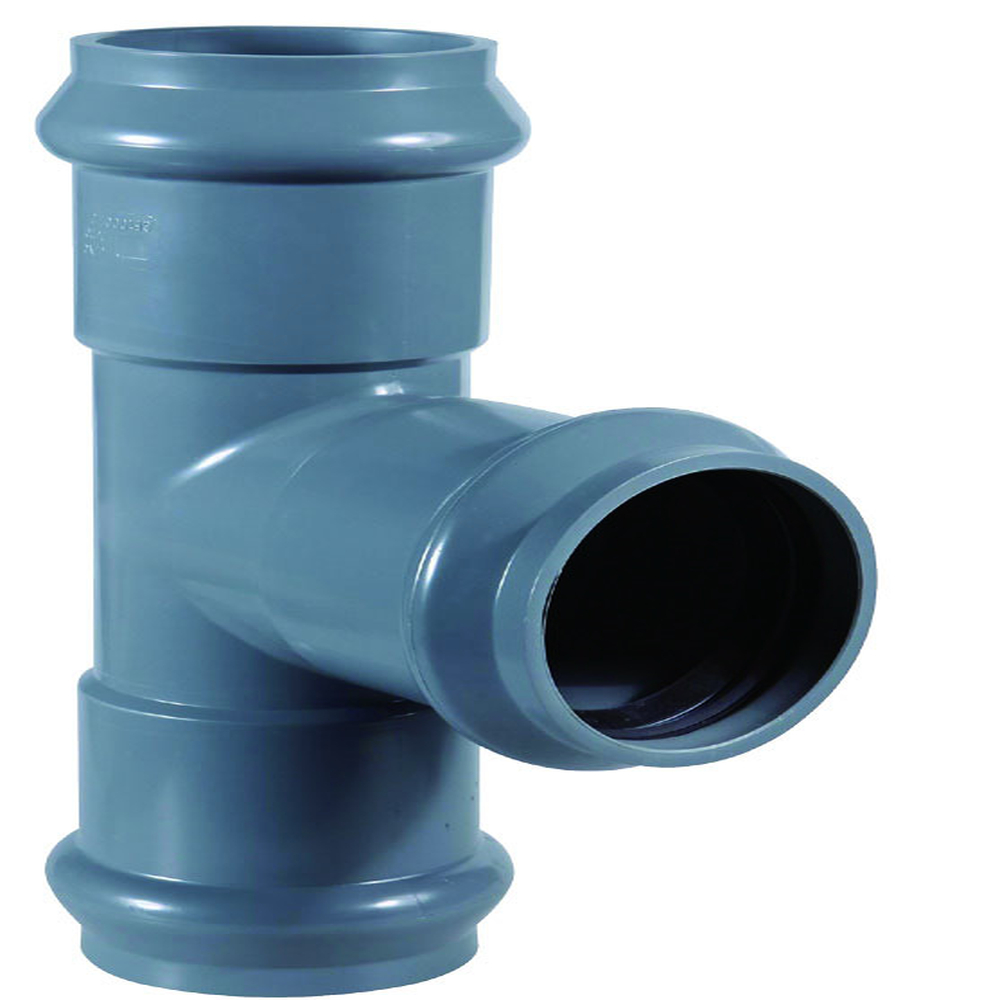
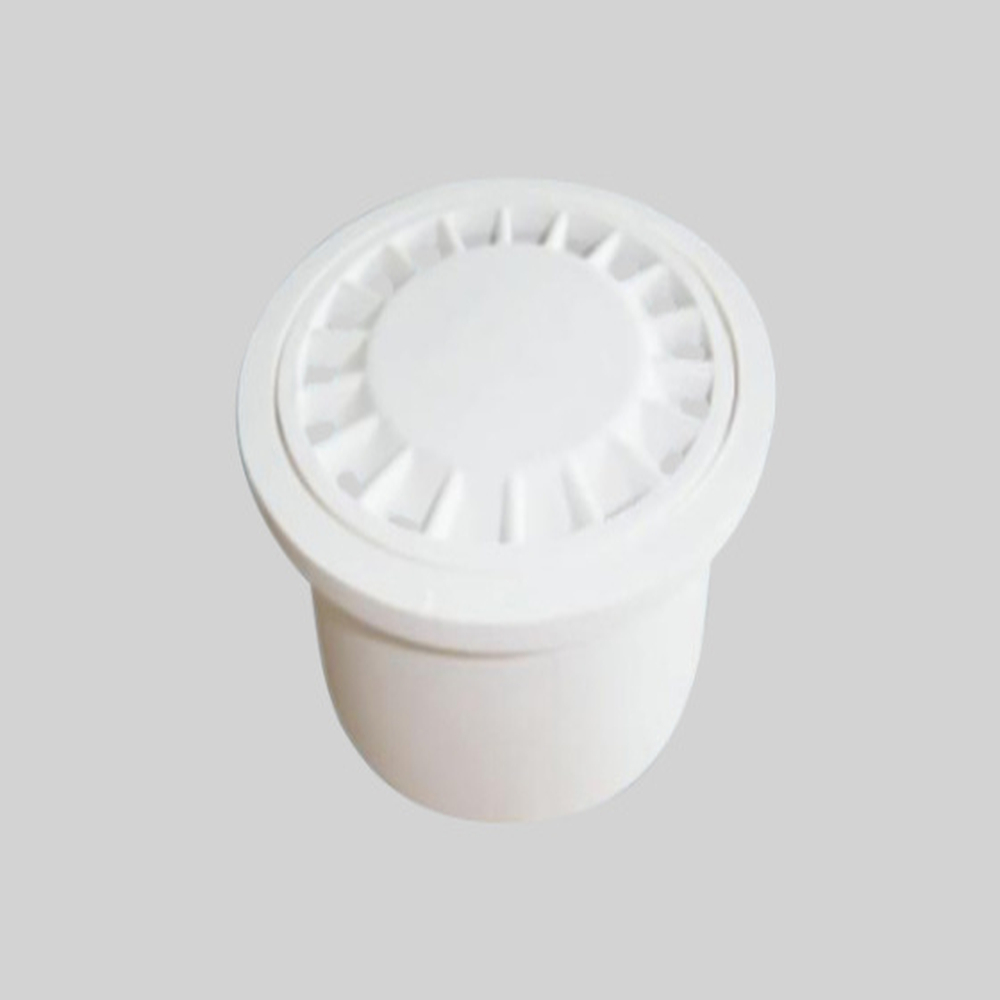
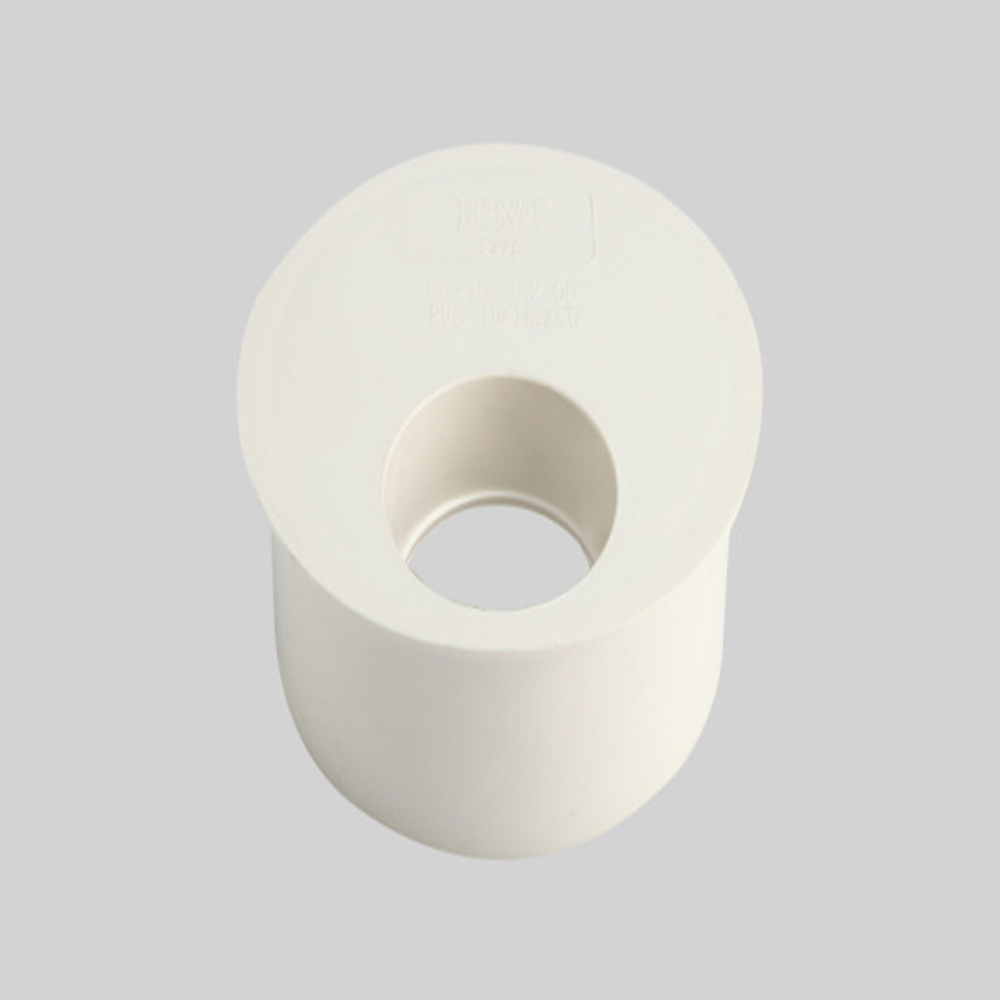
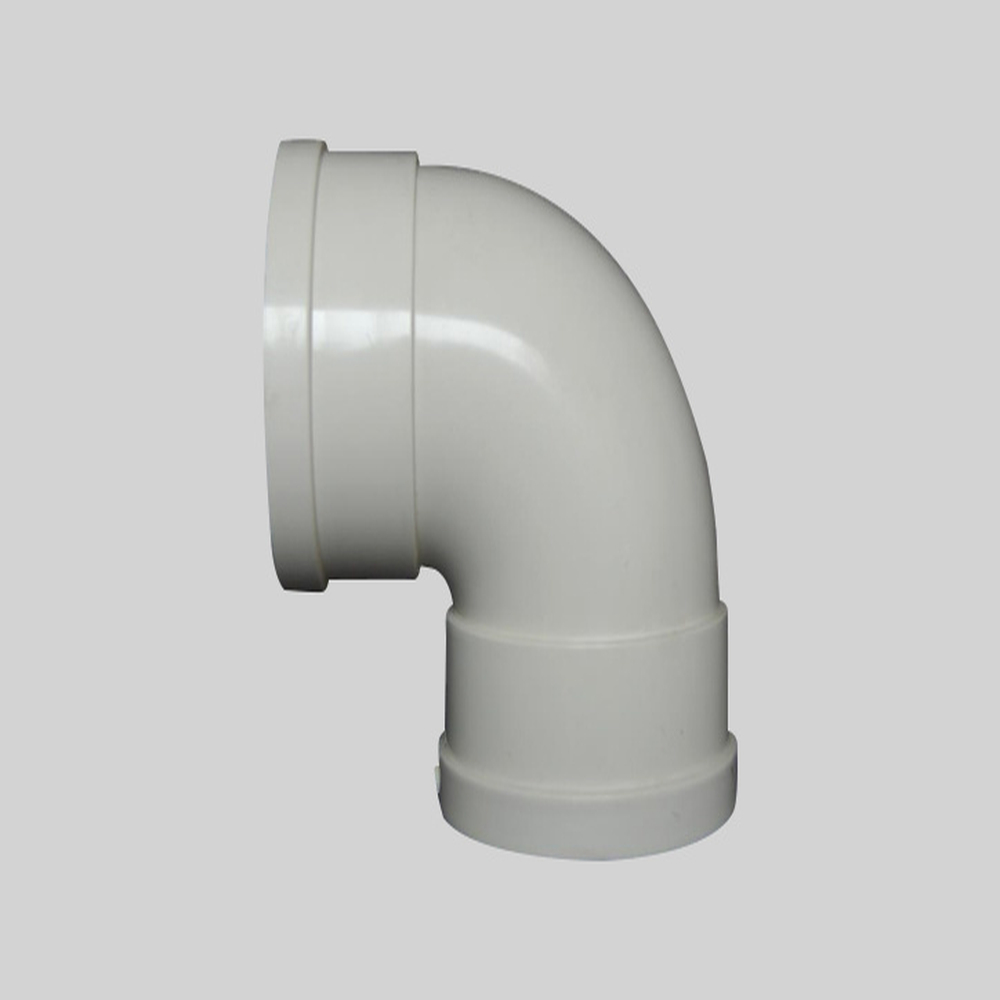
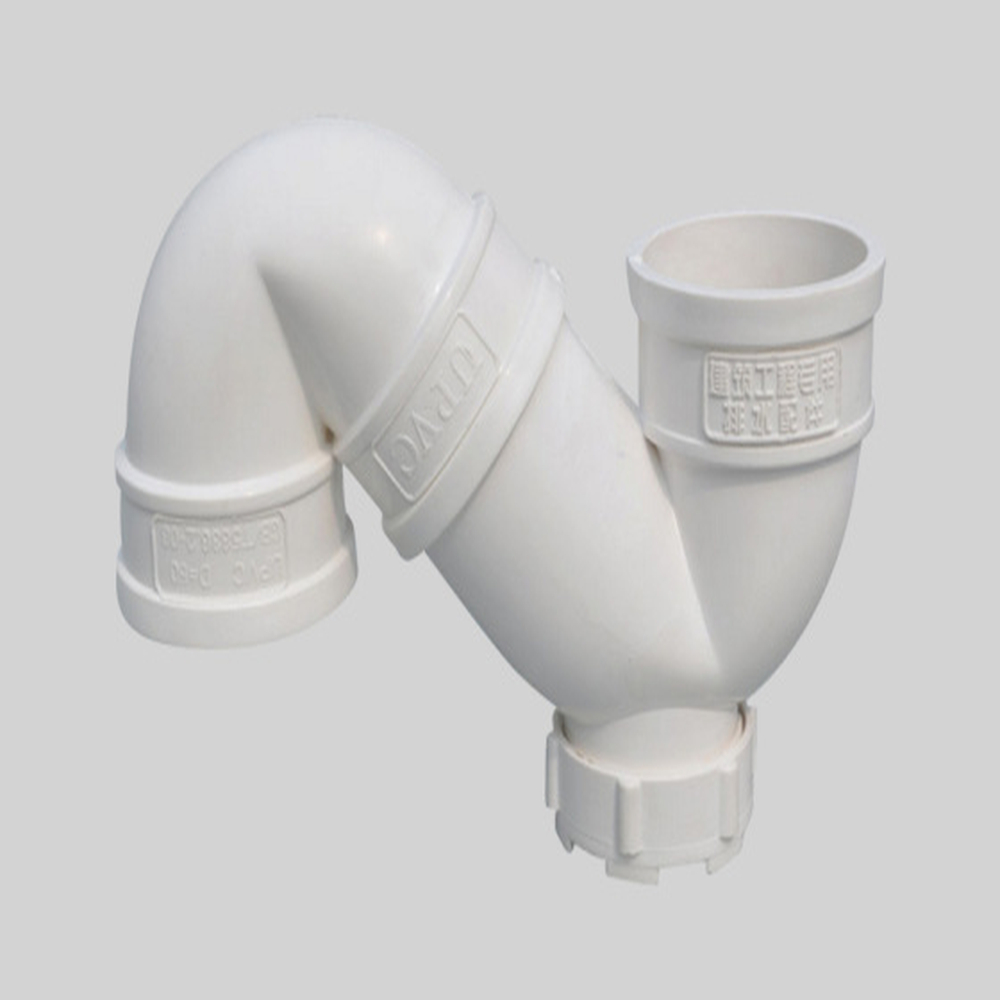
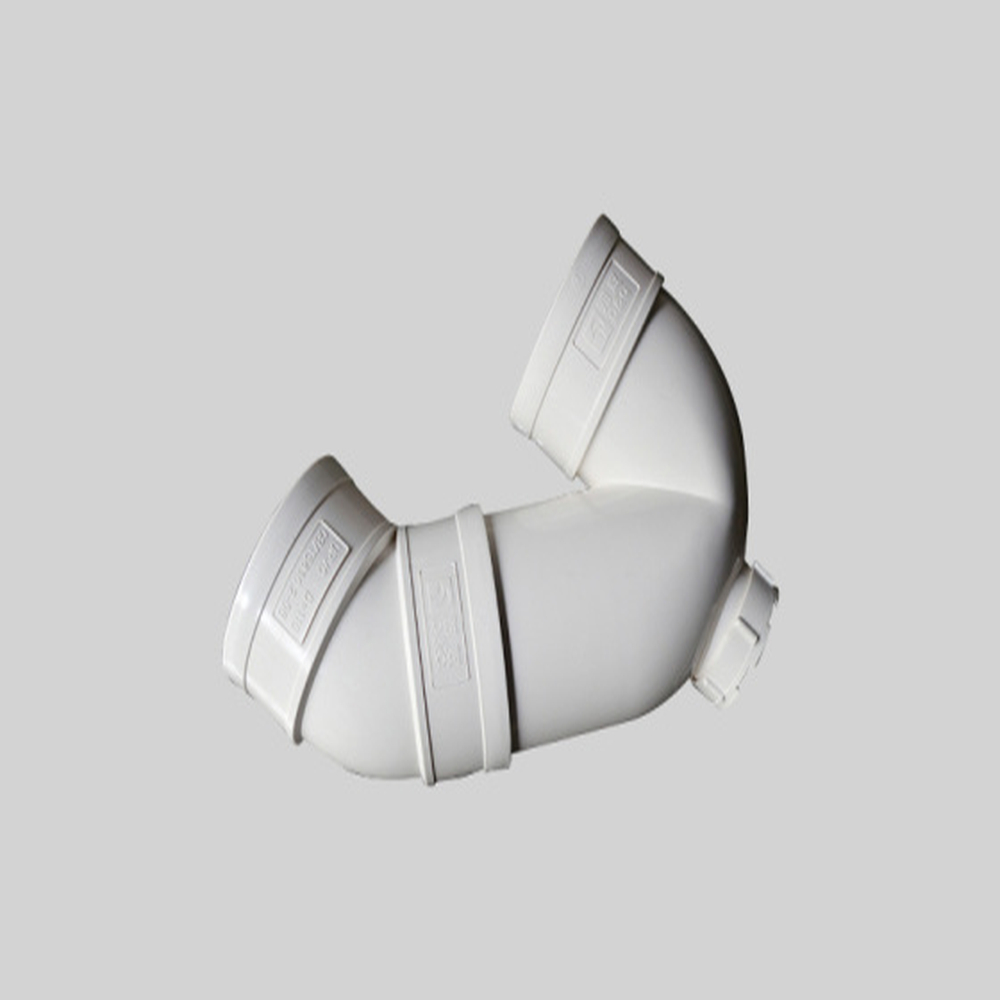
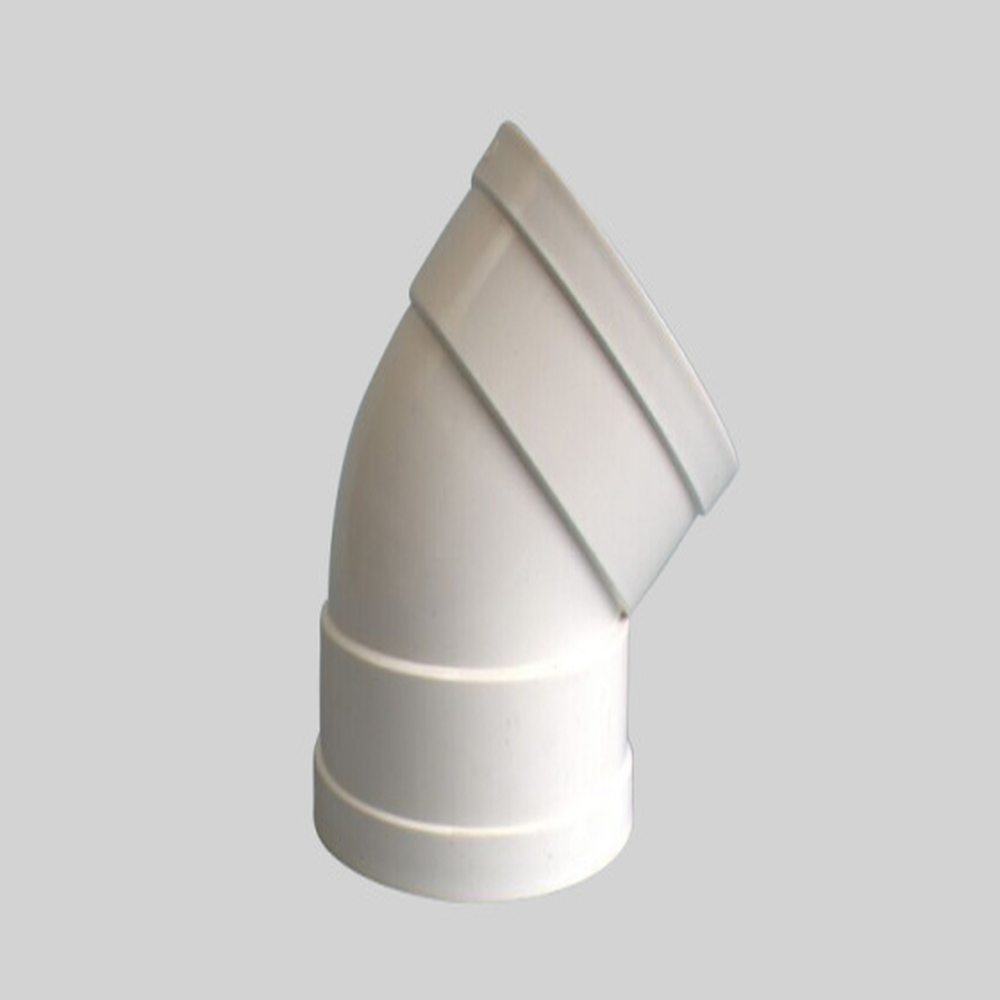
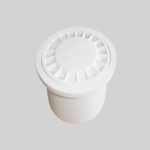
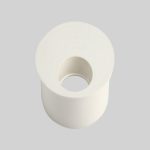
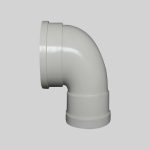
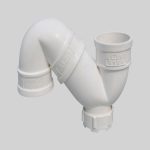
Wide range of fitting types and configurations
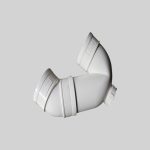
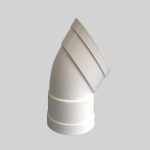
PVC Pipe Fittings are available in a comprehensive variety of types including elbows (45°, 90°), tees, reducers, couplings, caps, flanges, and valves. This complete range ensures that every piping system configuration can be achieved with proper connections for direction changes, branch connections, diameter transitions, and system terminations, providing flexible design solutions for diverse application requirements.
Excellent chemical and corrosion resistance
PVC Pipe Fittings exhibit outstanding resistance to a wide range of chemicals, acids, alkalis, and salts commonly encountered in water supply and drainage systems. Unlike metal fittings, they will not corrode, rust, or scale over time, ensuring long-term system integrity and water quality. This chemical resistance also makes them suitable for various industrial applications involving aggressive fluids.
Easy and reliable installation
PVC Pipe Fittings are designed for simple, tool-free installation using solvent cement welding or rubber ring push-fit connections. Solvent cement creates permanent, watertight joints by chemically fusing the fitting and pipe surfaces. Rubber ring joints allow for quick assembly and disassembly for system modifications. Both methods are faster and require less skilled labor compared to metal pipe joining.
Lightweight and cost-effective
PVC Pipe Fittings are significantly lighter than metal alternatives, reducing transportation costs and simplifying handling during installation. Their manufacturing process and material properties result in lower unit costs compared to metal or specialized plastic fittings. Combined with low installation costs and minimal maintenance requirements, they offer excellent total cost of ownership for piping projects.
Environmentally friendly and sustainable
PVC Pipe Fittings are manufactured from materials that can be recycled at the end of their service life. Their long durability (50+ years) and resistance to degradation reduce the need for replacements and repairs, minimizing resource consumption. The production process has been optimized over decades to reduce environmental impact while maintaining high quality and performance standards.
Application Scope
- Municipal water supply distribution systems
- Building drainage and sewage networks
- Agricultural irrigation piping systems
- Industrial process water and chemical handling
- Swimming pool and water treatment facilities
- Residential plumbing and home improvement
FAQ
What types of PVC Pipe Fittings are available?
PVC Pipe Fittings are available in a complete range of configurations to meet various piping system requirements. Common types include: elbows (45° and 90°) for direction changes, tees (equal and reducing) for branch connections, reducers and couplings for joining pipes of same or different sizes, caps and plugs for terminating pipe ends, flanges for connecting to valves and equipment, and various valves (ball, gate, check) for flow control. Fittings are available in socket ends for solvent cement or rubber ring connections, and threaded ends for mechanical connections.
What are the differences between solvent cement and rubber ring joints?
Solvent cement joints use a chemical adhesive that slightly dissolves the PVC surfaces, creating a permanent fused connection when the solvent evaporates. This method provides excellent, leak-free joints ideal for permanent installations. Rubber ring joints use an elastomeric seal inserted into a groove in the fitting socket, allowing push-fit assembly without adhesives. This method is faster, allows for future disassembly or modifications, and accommodates thermal expansion. Solvent cement is typically used for smaller diameters and indoor applications, while rubber ring joints are preferred for larger sizes and outdoor installations.