
Excellent thermal conductivity and heat transfer efficiency
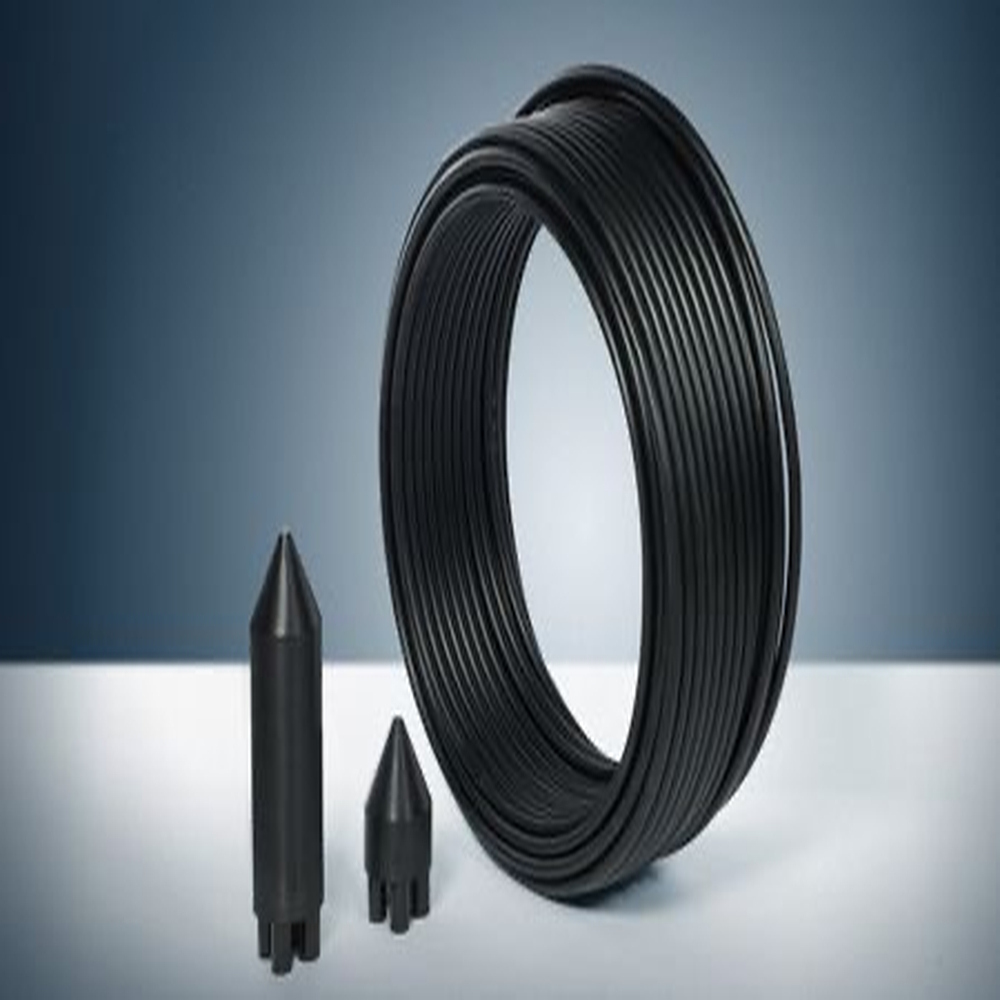
PE Ground Source Heat Pump Pipe is engineered for optimal thermal performance in underground heat exchange loops. Its material properties and wall thickness design ensure efficient heat transfer between the circulating fluid and the surrounding soil, maximizing the energy efficiency of the ground source heat pump system.
High pressure resistance and long-term reliability
Manufactured from PE100 or PE4710 grade materials, the pipe provides exceptional pressure resistance and resistance to slow crack growth. It is designed to withstand the cyclic pressure loads of heat pump circulation systems, ensuring reliable performance over the entire system lifespan of 50 years or more.
Superior corrosion and chemical resistance
PE material is inherently resistant to corrosion from soil chemicals, groundwater, and the antifreeze solutions commonly used in ground loop systems. Unlike metal pipes, it will not rust, scale, or degrade, eliminating the risk of leaks and contamination in the underground heat exchange network.
Flexible and easy to install in various ground conditions
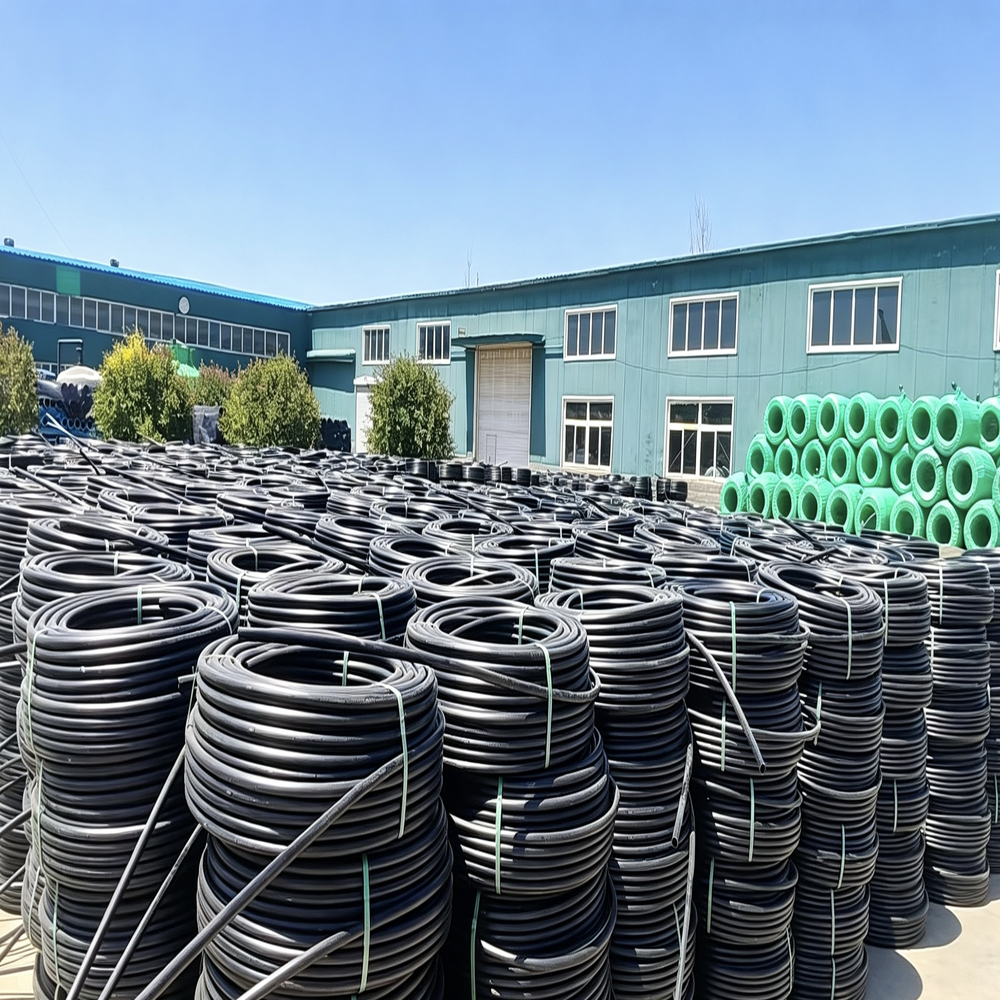
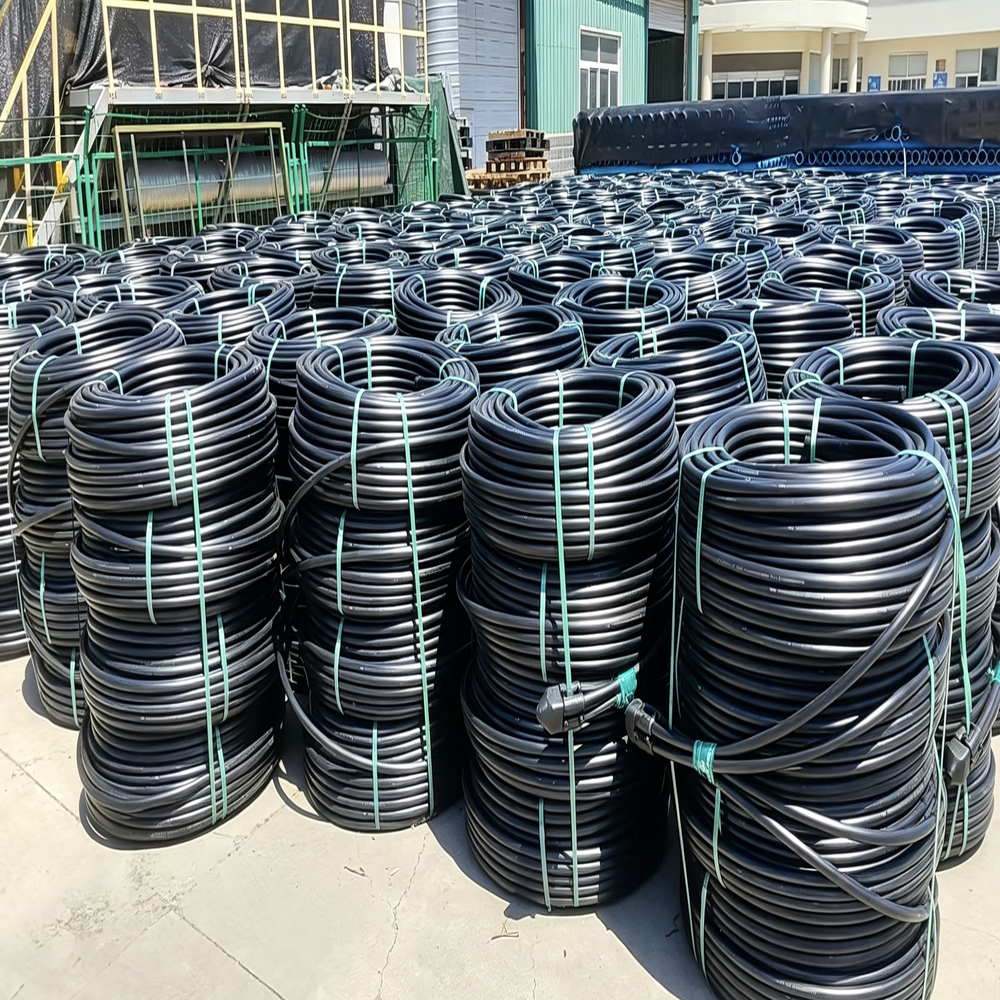
PE Ground Source Heat Pump Pipe offers excellent flexibility, allowing it to be coiled for transport and easily maneuvered during installation in vertical boreholes or horizontal trenches. Its flexibility also enables it to accommodate ground movement without joint failure, ensuring system integrity.
Leak-proof fusion joint connections
The pipe uses heat fusion joining methods (butt fusion or electrofusion) to create monolithic, leak-free connections. These joints are as strong as the pipe itself, eliminating potential failure points in the underground loop system where access for repair would be costly and disruptive.
Application Scope
- Ground source heat pump (GSHP) air conditioning systems
- Geothermal heating and cooling for residential buildings
- Commercial and industrial ground loop heat exchange systems
- Underground thermal energy storage (UTES) systems
- Central air conditioning circulation pipelines
- Green building and sustainable energy projects
FAQ
What is the difference between PE Ground Source Heat Pump Pipe and regular PE water pipe?
PE Ground Source Heat Pump Pipe is specifically engineered for geothermal applications with enhanced thermal conductivity and pressure ratings designed for the operating conditions of heat pump circulation systems. While both are made from polyethylene, GSHP pipes typically use higher-grade PE100 or PE4710 materials with stricter quality controls, and may feature special additives to improve thermal performance. They are also tested and certified specifically for ground loop applications.
What pipe sizes and pressure ratings are available?
PE Ground Source Heat Pump Pipe is commonly available in diameters from 25mm to 63mm for residential and commercial applications, with larger sizes up to 110mm for industrial projects. Standard pressure ratings include PN10, PN16, and PN20 (SDR 11, 13.6, and 17), with SDR 11 being the most commonly specified for ground loop systems. The appropriate size and rating should be selected based on system design flow rates and operating pressures.
How is PE Ground Source Heat Pump Pipe installed underground?
Installation methods include horizontal trenching and vertical borehole drilling. For horizontal systems, pipes are laid in trenches 1.2-2m deep with adequate spacing between loops. For vertical systems, U-bend assemblies are inserted into boreholes typically 50-150m deep, then backfilled with grout for thermal conductivity. All fusion joints should be made above ground and pressure-tested before burial to ensure system integrity. Professional installation following design specifications is essential for optimal performance.