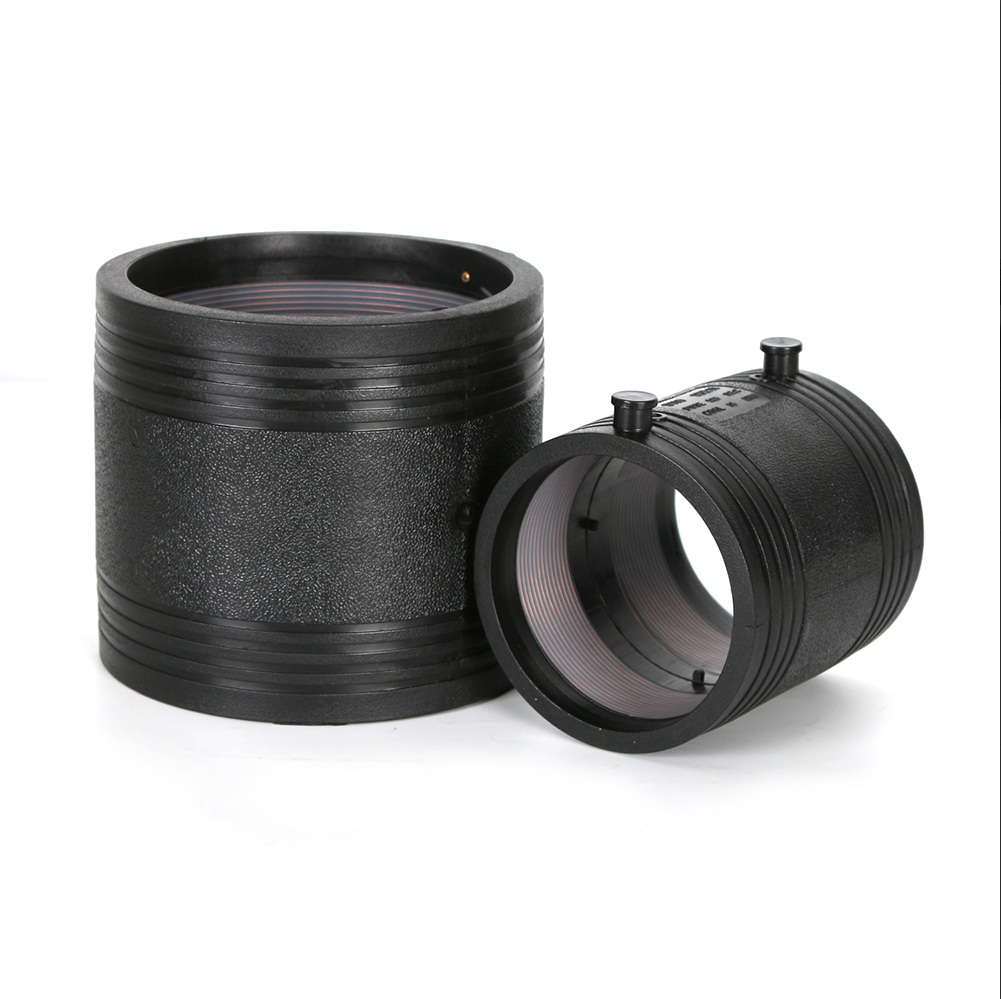
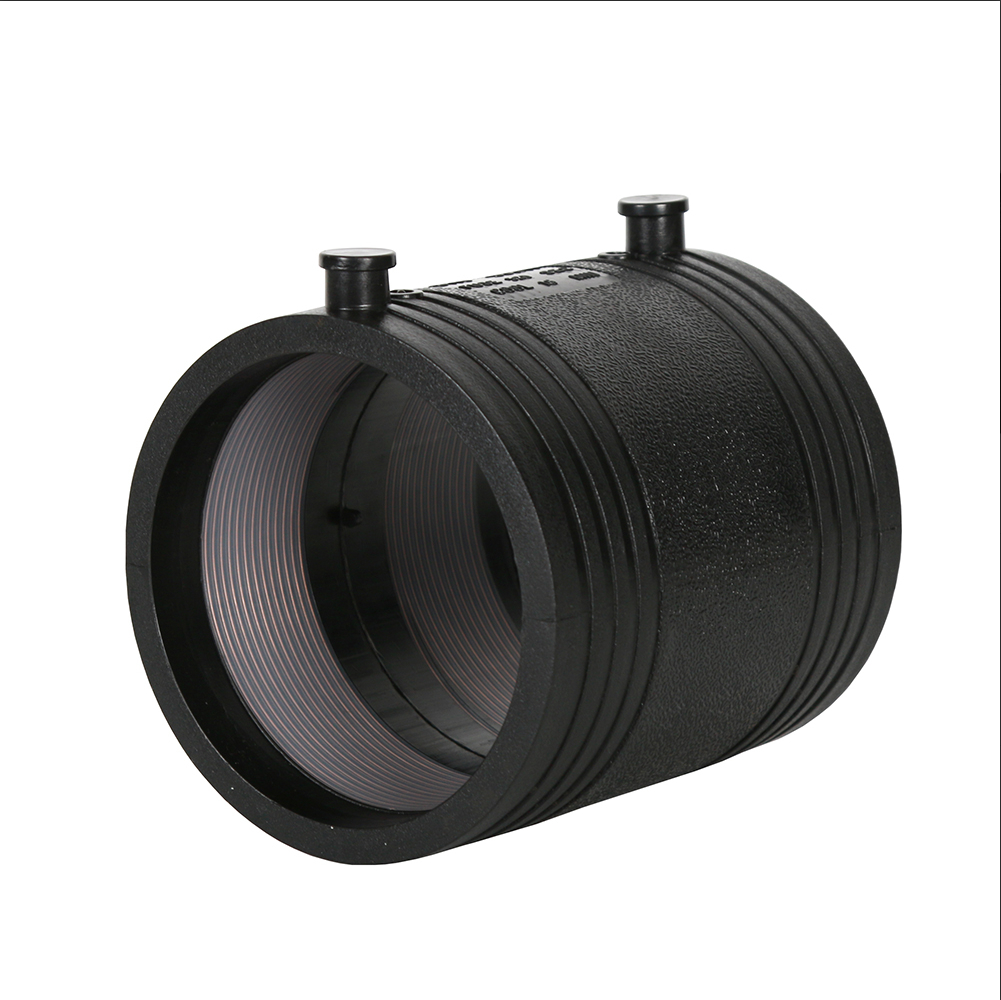
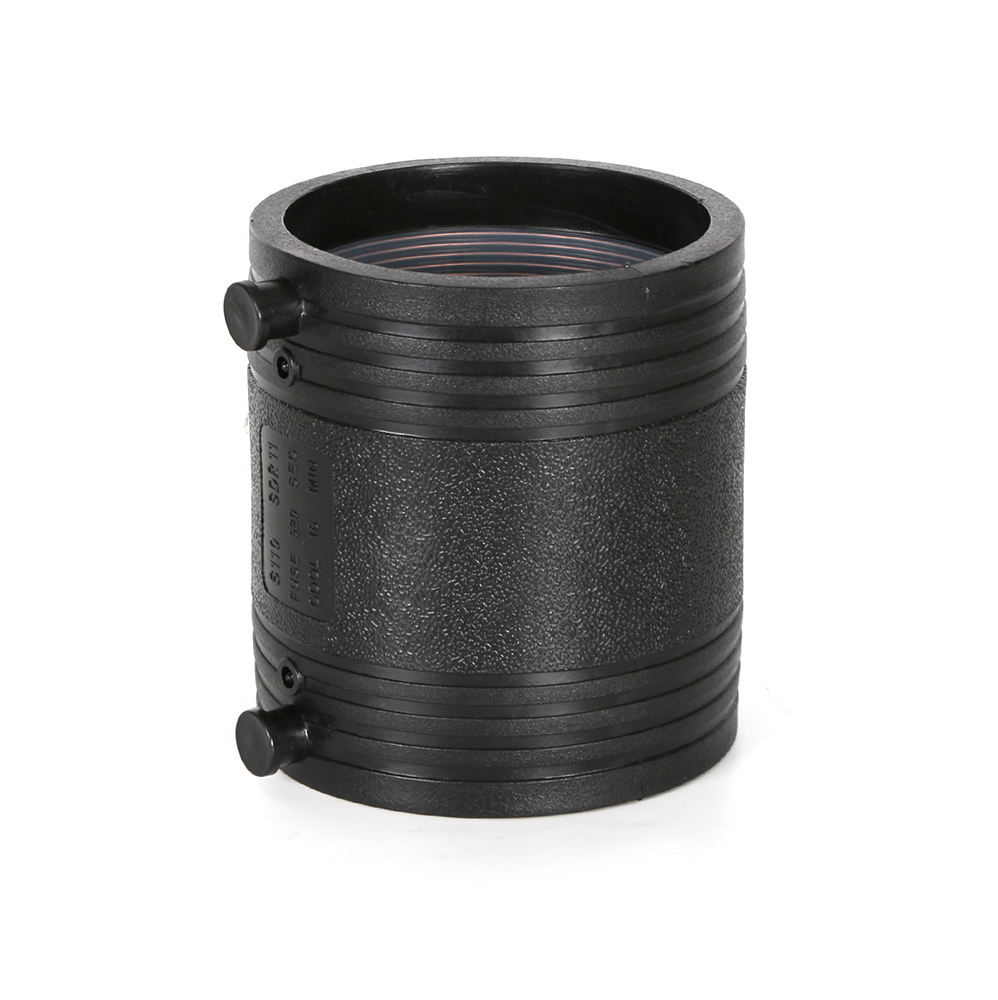
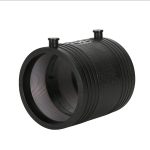
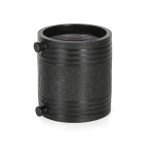
- Quick and easy installation
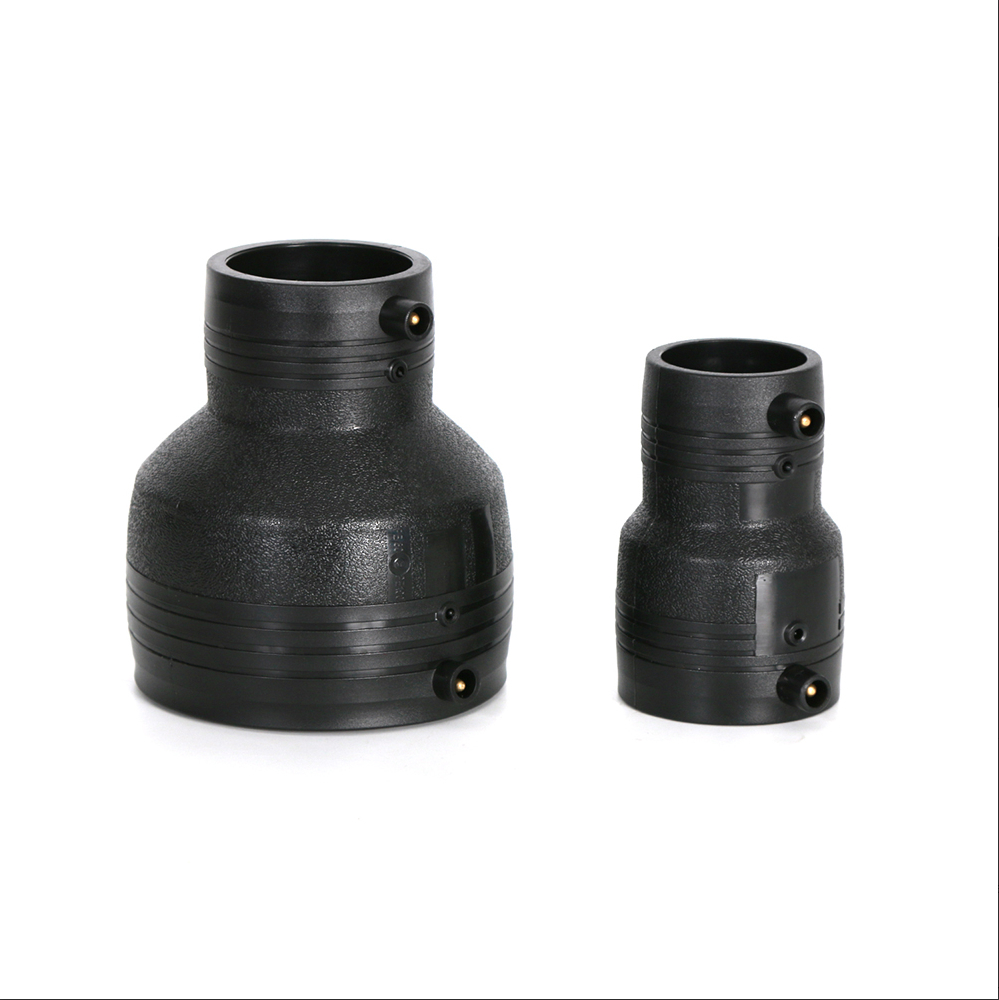
Coupler uses electrofusion welding technology for installation. No special tools are required, and the installation process is quick and easy. - Lightweight design
Coupler is relatively light, easy to carry and install, reducing labor intensity and installation time. - Adaptable
Coupler is suitable for a variety of pipe materials, such as HDPE, PVC, cast iron, etc., and can be used to connect different types of pipe systems. - High reliability
Coupler is designed and manufactured under strict quality control to ensure its reliability and performance consistency. This helps reduce duct system breakdowns and the need for repairs. - Seismic performance
Coupler has certain seismic resistance and can maintain the stability and integrity of pipeline connections in vibration environments such as earthquakes. - Good corrosion resistance
Coupler has good corrosion resistance and can resist the erosion of common chemicals and environmental conditions, extending its service life. - High voltage applications
Coupler usually has high pressure resistance and can withstand high pressure. This makes them suitable for use in high-pressure pipeline systems such as oil and gas transmission pipelines.
Application Scope
- Industrial piping system
- Water supply and drainage system
- City gas pipeline system
- Agricultural irrigation system
- Oil and gas pipelines
- Sewage treatment system
FAQ
What is the difference between electrofusion fittings and socket fittings?
Socket fittings are suitable for general low-pressure piping systems and are easy to install; while electrofusion fittings are suitable for high-density polyethylene or polypropylene piping systems and have higher connection reliability.
Are there other types of electrofusion fittings available?
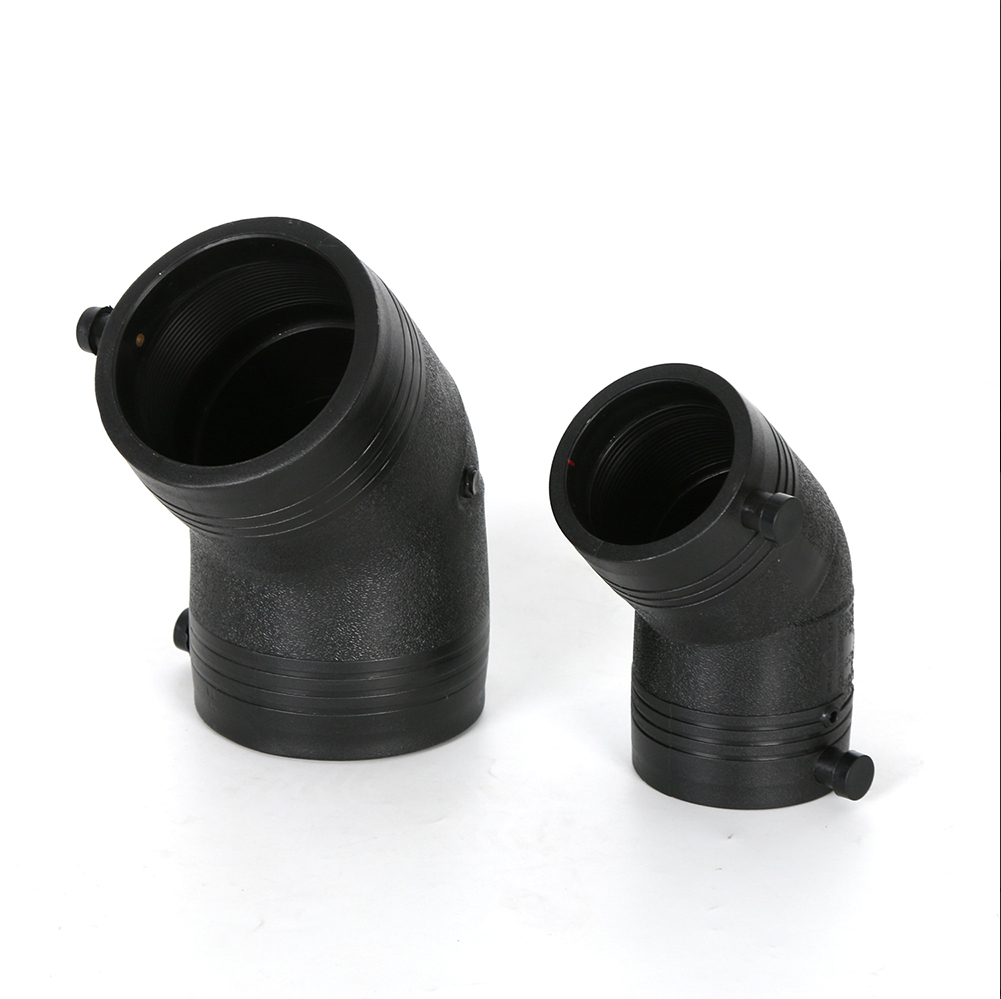
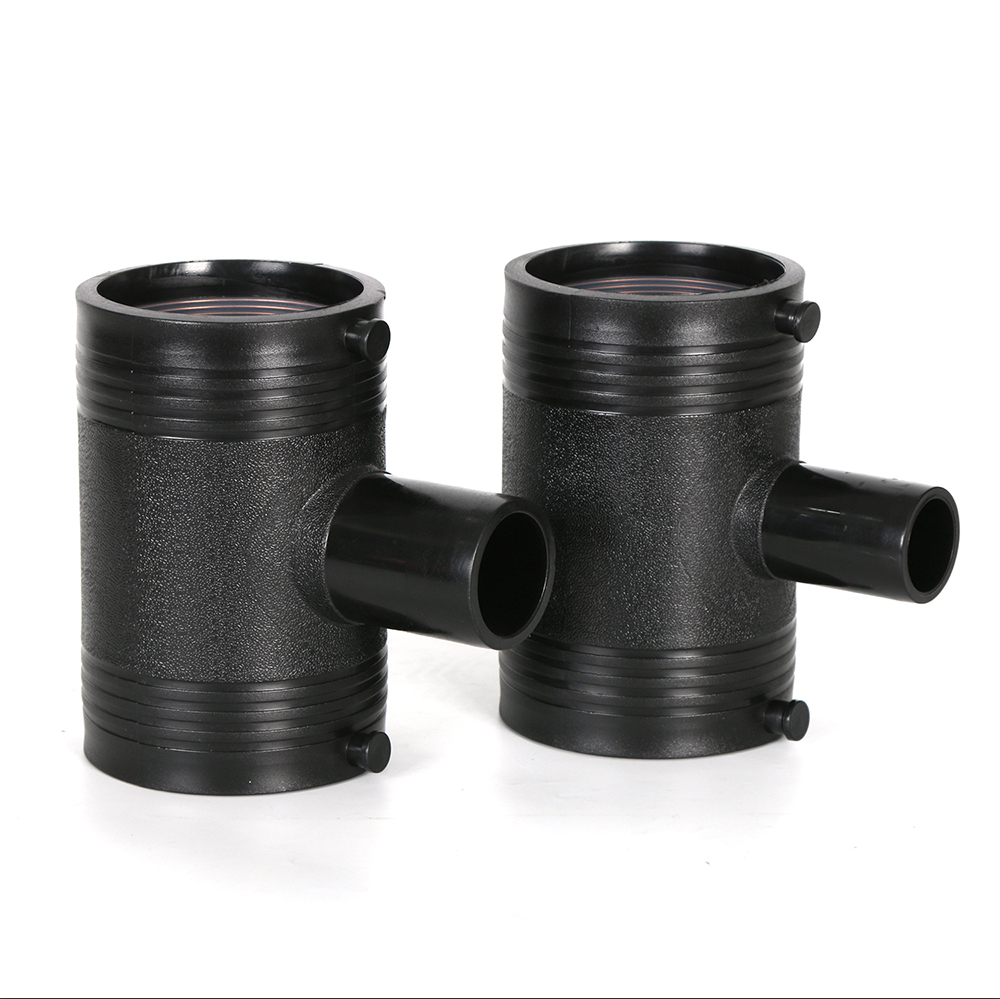
In addition to Coupler, electrofusion pipe fittings also include other types of connectors, such as elbows, tees, flanges, etc. These different types of connections can accommodate a variety of piping layouts and needs.