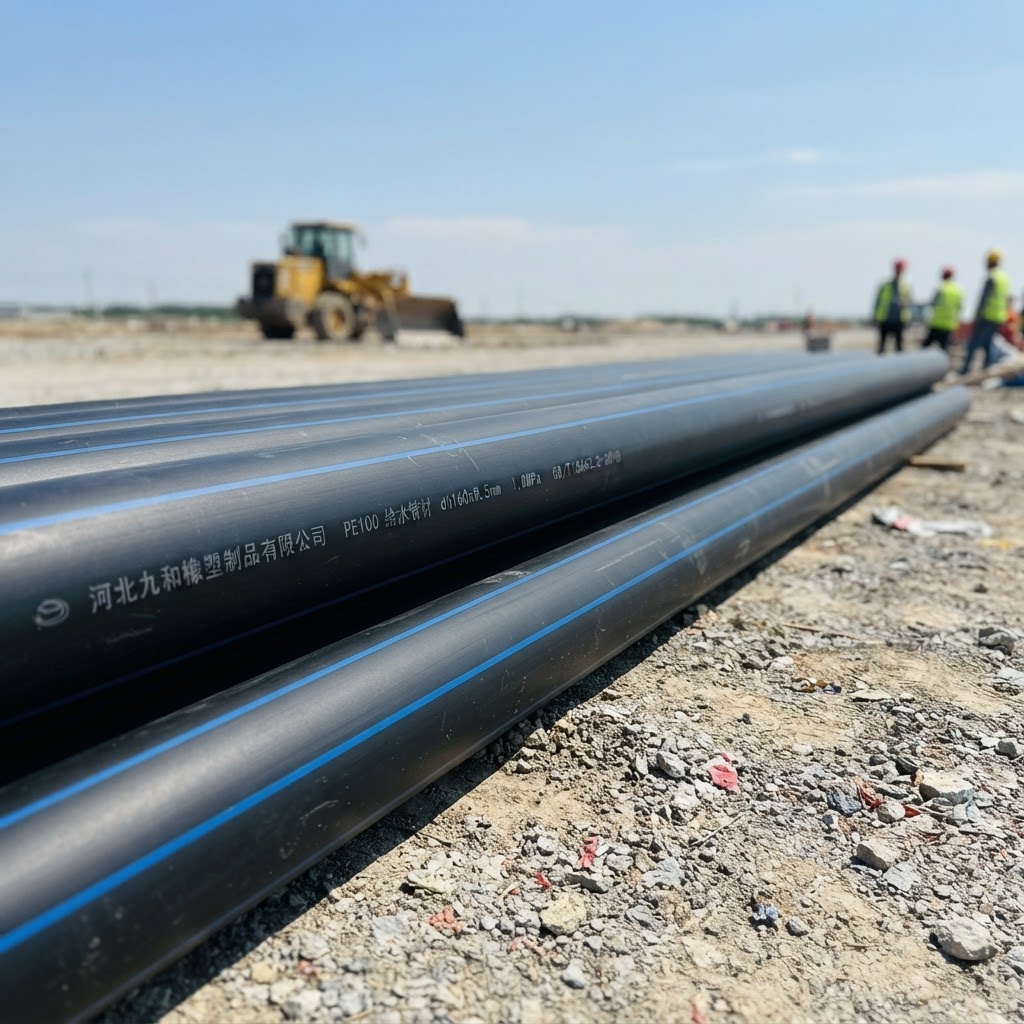
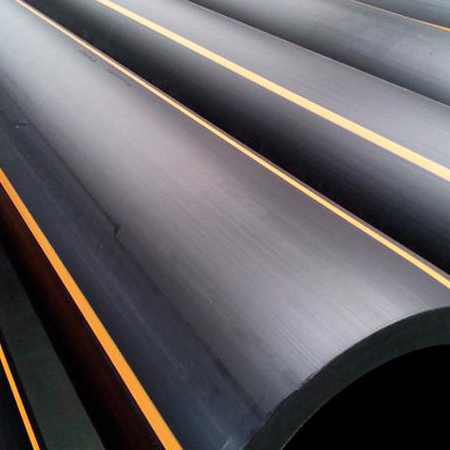
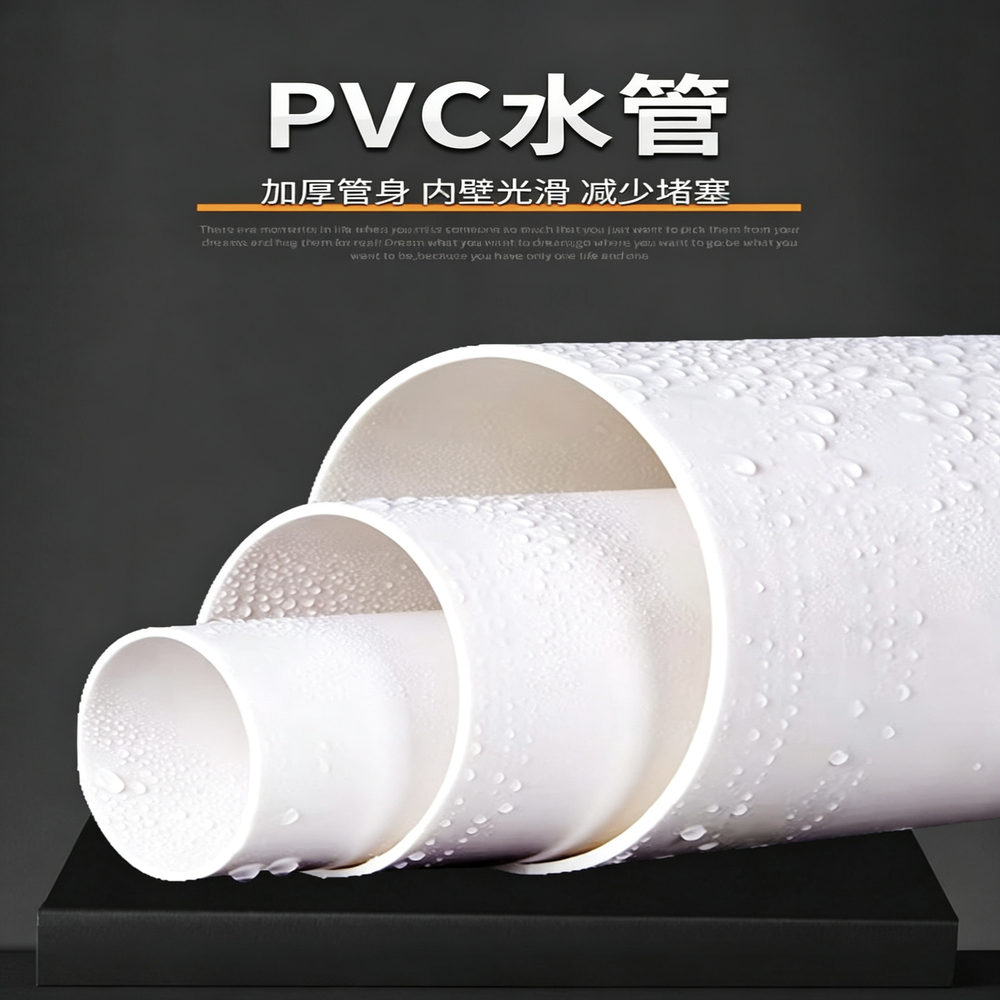
In this guide, we compare PE Pipe vs PVC Pipe and PPR pipe to help you choose the right material for your project. Whether you need a water supply line, drainage system, or hot water plumbing, this comparison will help you make an informed decision.
Choosing the right pipe material is critical for project success. This comprehensive guide compares PE pipe, PVC pipe, and PPR pipe—the three most common plastic pipes used in water supply, drainage, and plumbing systems.
Hebei Jiuhe-rubber & Plastic producten Co., Ltd. manufactures all three types with 16 years of experience and ISO 9001 / CE certifications. We serve customers in more than 30 landen, including the Middle East, Southeast Asia, and Africa.
Overview: PE Pipe, PVC Pipe, and PPR Pipe
What is PE Pipe?
PE pipe (polyethylene pipe) is made from high-density polyethylene (HDPE) resin. It is flexible, corrosion-resistant, and has a service life of over 50 years. PE pipe is widely used for municipal water supply, gas distribution, and industrial applications.
What is PVC Pipe?
PVC pipe (polyvinyl chloride pipe) is made from PVC resin mixed with stabilizers and lubricants. It is rigid, low-cost, and easy to install. PVC pipe is commonly used for drainage, sewage, and electrical conduit.
What is PPR Pipe?
PPR pipe (polypropylene random copolymer pipe) is designed for hot and cold water plumbing. It can withstand temperatures up to 95°C and is joined by heat fusion. PPR pipe is the standard choice for residential and commercial water systems.
Detailed Comparison Table
| Property | PE Pipe | PVC Pipe | PPR Pipe |
|---|---|---|---|
| Material | Polyethylene (HDPE) | Polyvinyl Chloride | Polypropylene Random Copolymer |
| Temperature Range | -40°C to 60°C | 0°C to 60°C | -10°C to 95°C |
| Service Life | 50+ years | 50+ years | 50+ years |
| Flexibility | Hoog (flexible) | Laag (rigid) | Laag (rigid) |
| Connection Method | Butt fusion, elektrofusie | Solvent cement, rubber gasket | Heat fusion |
| Cost | Medium | Laag | Hoog |
| Drinking Water Safe | Ja (PE100/PE80) | Ja (PVC-U) | Ja |
| Main Applications | Water supply, gas, mining | Afwatering, sewage, conduit | Hot/cold water plumbing |
| Diameter Range | DN20–DN800 | DN20–DN500 | DN20–DN160 |
| Pressure Rating | PN6–PN16 | PN6–PN16 | PN10–PN25 |
Key Differences Explained
1. Flexibility
PE pipe is the most flexible of the three. It can bend up to 20 times its diameter without cracking, making it ideal for uneven terrain, seismic zones, and trenchless installation. PVC and PPR pipes are rigid and require elbow fittings for direction changes.
2. Temperature Resistance
PPR pipe has the highest temperature resistance (up to 95°C), making it the only choice for hot water systems. PE pipe and PVC pipe are limited to 60°C and below.
3. Installation Method
- PE pipe: Heat fusion (butt fusion or electrofusion) creates leak-proof joints stronger than the pipe itself.
- PVC pipe: Solvent cement welding or rubber gasket joints. Faster installation but lower joint strength.
- PPR pipe: Heat fusion with a special welding machine. Permanent joints, no leakage.
4. Cost
PVC pipe is the lowest-cost option, suitable for budget projects. PE pipe is medium-priced with better long-term value. PPR pipe is the most expensive due to its hot water capability.
Which Pipe Should You Choose?
Choose PE Pipe If:
- You need a municipal water supply system
- The pipe will be buried in seismic or unstable soil
- You want long-term reliability (50+ years)
- You need trenchless installation
- You need to transport gas or mining slurry
Choose PVC Pipe If:
- You need drainage or sewage systems
- The application is low-pressure (under 1.0 MPa)
- Budget is the primary concern
- The pipe will be installed above ground or in shallow trenches
- You need electrical conduit
Choose PPR Pipe If:
- You need hot water plumbing (up to 95°C)
- You are installing residential or commercial water systems
- You need a hygienic, lead-free material for drinking water
- The installation is indoors with proper support
Why Buy PE, PVC, and PPR Pipes from Hebei Jiuhe?
- Complete product range: PE, PVC, PPR, PE-RT, HDPE fittings, and MPP conduits
- 16 jaar productie-ervaring (since 2010)
- 20 national patents for pipe production
- ISO 9001 and CE certified factory
- Annual capacity: 10,000+ tons
- Export to 30+ countries with full documentation
- Competitive pricing and flexible MOQ
- OEM/ODM service available
Contact Us for Pipe Quotes
Get factory-direct pricing on PE pipe, PVC pipe, and PPR pipe.
WhatsApp: +86 19539065330
E-mail: sean@jiuhepipe.com
Factory: Wei provincie, Xingtai-stad, Provincie Hebei, China
We respond within 12 hours. Free samples available for qualified buyers.
Frequently Asked Questions
Can PE pipe be used for hot water?
No. Standard PE pipe is rated for cold water (up to 60°C). For hot water, use PE-RT pipe (up to 95°C) or PPR pipe.
Is PVC pipe safe for drinking water?
Ja. PVC-U pipe that meets GB/T 10002.1 or NSF/ANSI 61 standards is safe for drinking water. Avoid using PVC pipe with lead stabilizers for potable water.
Which pipe is stronger: PE or PVC?
PE pipe has higher impact resistance and flexibility, making it more durable in dynamic conditions. PVC pipe is stronger in compression but more brittle under impact.
Can I use PPR pipe for outdoor water supply?
PPR pipe is sensitive to UV radiation and should not be used outdoors without protection. For outdoor applications, use PE pipe or PE-RT pipe.
What is the best pipe for underground water supply?
PE pipe is the best choice for underground water supply due to its flexibility, corrosion resistance, En 50+ years service life. It handles ground movement and seismic activity without failure.