Dans ce guide, nous comparons Tuyau PE vs tuyau PVC et tuyau PPR pour vous aider à choisir le bon matériau pour votre projet. Si vous avez besoin d'une conduite d'alimentation en eau, système de drainage, ou plomberie eau chaude, cette comparaison vous aidera à prendre une décision éclairée.
Choisir le bon matériau de tuyau est essentiel à la réussite du projet. Ce guide complet compare les tuyaux PE, Tuyau en PVC, et tuyau PPR - les trois tuyaux en plastique les plus couramment utilisés dans l'approvisionnement en eau, drainage, et systèmes de plomberie.
Caoutchouc Hebei Jiuhe & Produits en plastique Cie., Ltée. fabrique les trois types avec 16 années d'expérience et ISO 9001 / Certifications CE. Nous servons nos clients dans plus de 30 pays, y compris le Moyen-Orient, Asie du Sud-Est, et l'Afrique.
Aperçu: Tuyau PE, Tuyau en PVC, et tuyau PPR
Qu'est-ce que le tuyau PE?
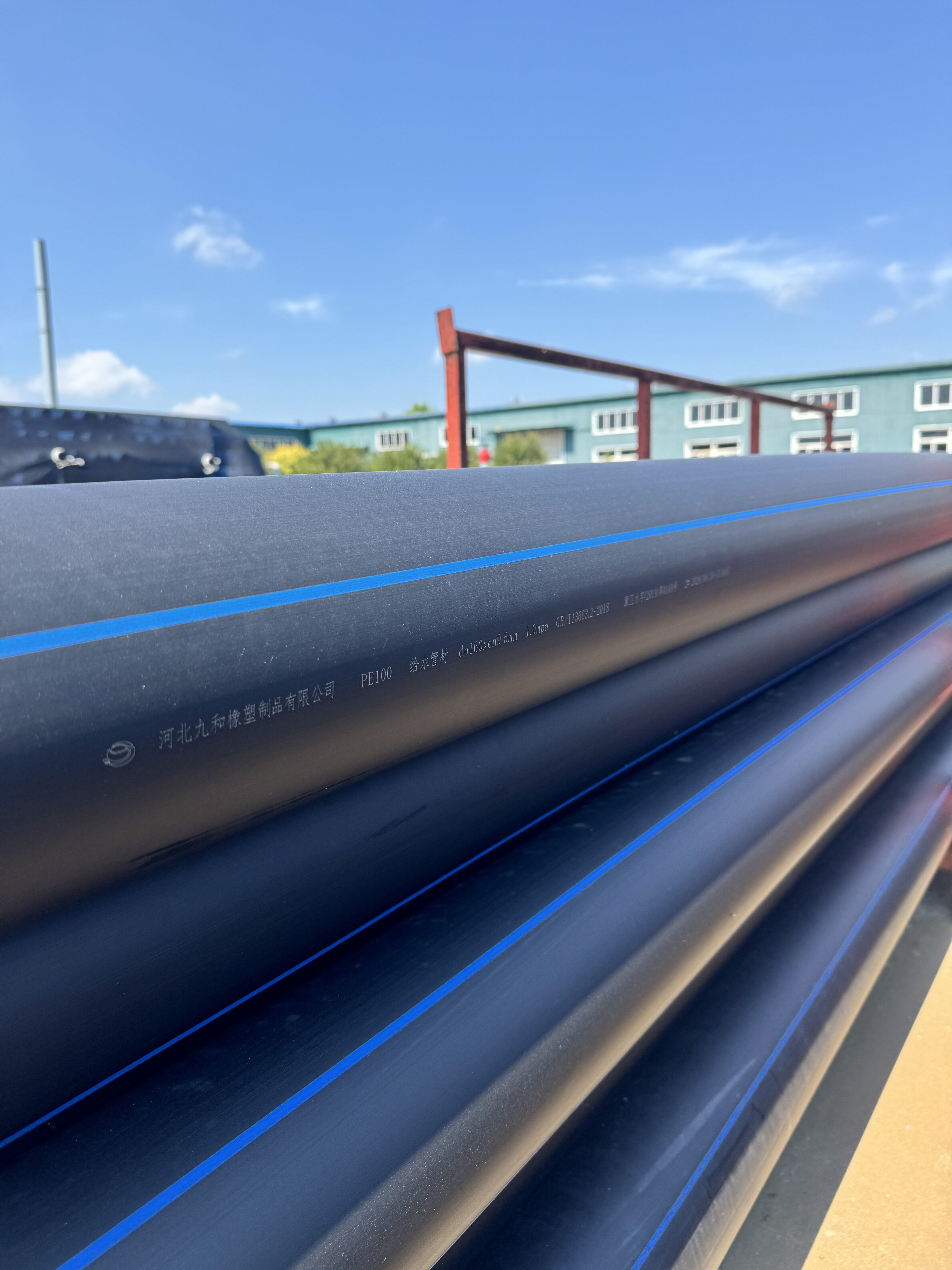
Tuyau PE (tuyau en polyéthylène) est fabriqué à partir de polyéthylène haute densité (PEHD) résine. C'est flexible, résistant à la corrosion, et a une durée de vie de plus de 50 années. Le tuyau PE est largement utilisé pour l’approvisionnement en eau municipale, distribution de gaz, et applications industrielles.
Qu'est-ce que le tuyau en PVC?
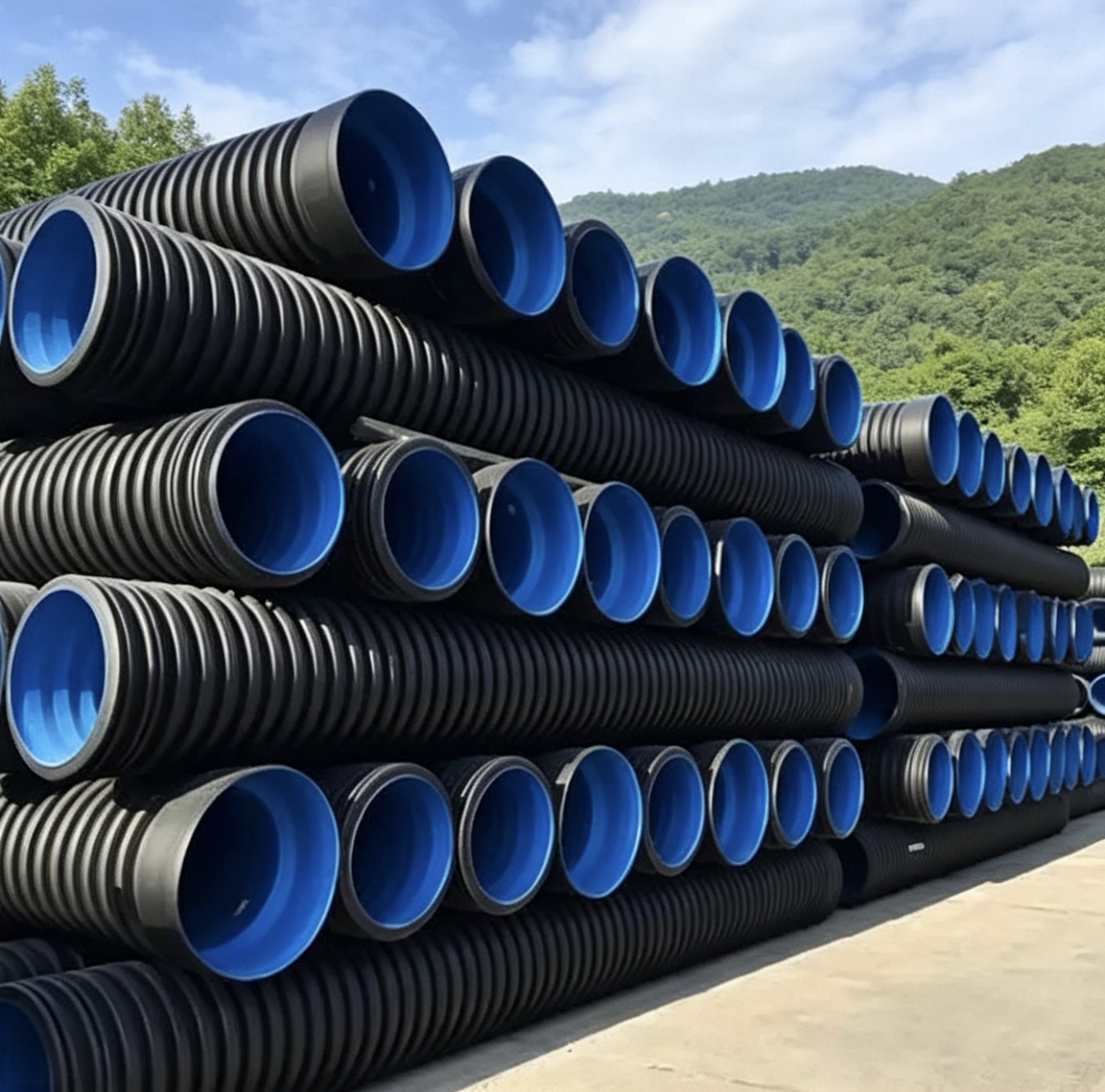
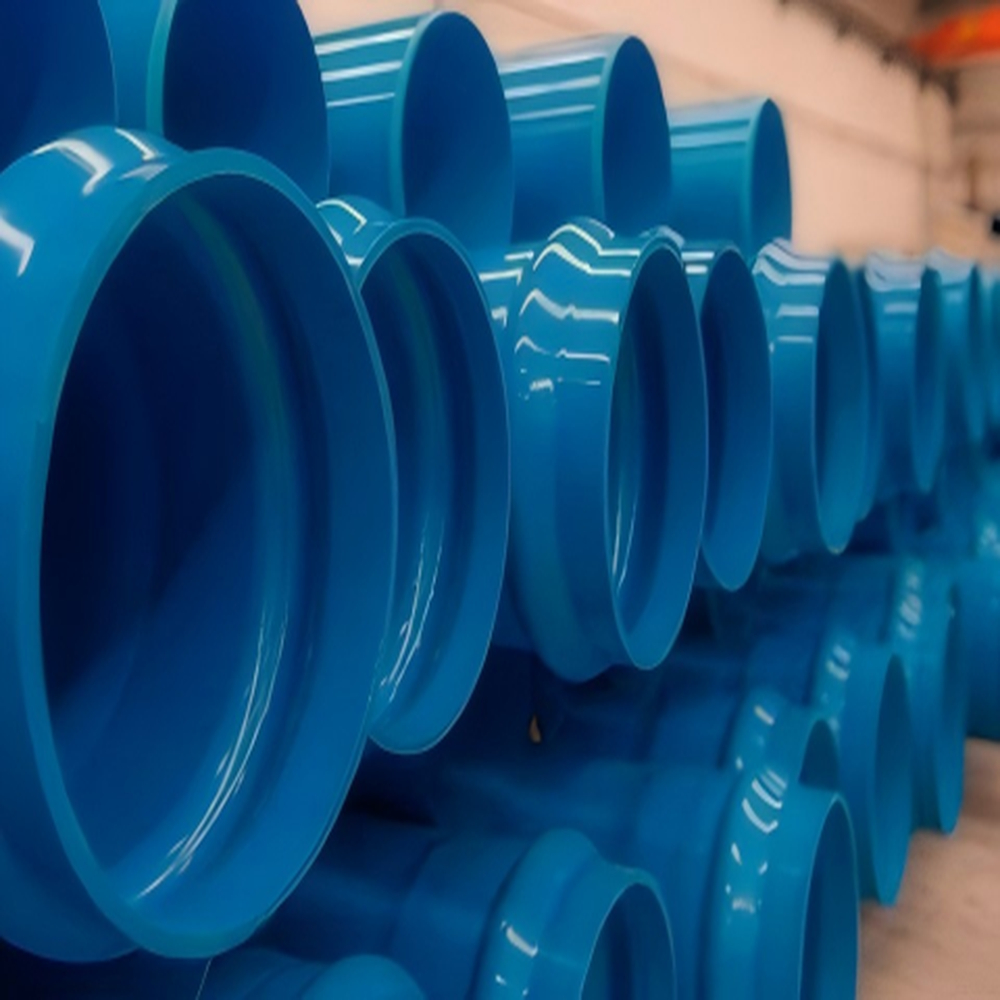
Tuyau en PVC (tuyau en polychlorure de vinyle) est fabriqué à partir de résine PVC mélangée à des stabilisants et des lubrifiants. C'est rigide, faible coût, et facile à installer. Le tuyau en PVC est couramment utilisé pour le drainage, eaux usées, et conduit électrique.
Qu'est-ce que le tuyau PPR?
Tuyau PPR (tuyau de copolymère aléatoire en polypropylène) est conçu pour la plomberie d’eau chaude et froide. Il peut résister à des températures allant jusqu'à 95°C et est assemblé par fusion thermique. Le tuyau PPR est le choix standard pour les systèmes d'eau résidentiels et commerciaux.
Tableau de comparaison détaillé
| Propriété | Tuyau PE | Tuyau en PVC | Tuyau PPR |
|---|---|---|---|
| Matériel | Polyéthylène (PEHD) | Chlorure de polyvinyle | Copolymère aléatoire de polypropylène |
| Plage de température | -40°C à 60°C | 0°C à 60°C | -10°C à 95°C |
| Durée de vie | 50+ années | 50+ années | 50+ années |
| Flexibilité | Haut (flexible) | Faible (rigide) | Faible (rigide) |
| Méthode de connexion | Fusion bout à bout, électrofusion | Ciment à solvant, joint en caoutchouc | Fusion thermique |
| Coût | Moyen | Faible | Haut |
| Eau potable sans danger | Oui (PE100/PE80) | Oui (PVC-U) | Oui |
| Principales applications | Approvisionnement en eau, gaz, exploitation minière | Drainage, eaux usées, conduit | Plomberie eau chaude/froide |
| Plage de diamètre | DN20–DN800 | DN20–DN500 | DN20–DN160 |
| Pression nominale | PN6–PN16 | PN6–PN16 | PN10–PN25 |
Principales différences expliquées
1. Flexibilité
Le tuyau PE est le plus flexible des trois. Il peut se plier jusqu'à 20 fois son diamètre sans se fissurer, ce qui le rend idéal pour les terrains accidentés, zones sismiques, et installation sans tranchée. Les tuyaux en PVC et PPR sont rigides et nécessitent des raccords coudés pour les changements de direction.
2. Résistance à la température
Le tuyau PPR a la résistance à la température la plus élevée (jusqu'à 95°C), ce qui en fait le seul choix pour les systèmes d'eau chaude. Les tuyaux PE et PVC sont limités à 60°C et moins.
3. Méthode d'installation
- Tuyau PE: Fusion thermique (fusion bout à bout ou électrofusion) crée des joints étanches plus solides que le tuyau lui-même.
- Tuyau en PVC: Soudage au solvant-ciment ou joints en caoutchouc. Installation plus rapide mais résistance des joints inférieure.
- Tuyau PPR: Fusion thermique avec une machine à souder spéciale. Joints permanents, pas de fuite.
4. Coût
Le tuyau en PVC est l’option la moins coûteuse, adapté aux projets budgétaires. Le tuyau PE est d'un prix moyen avec une meilleure valeur à long terme. Le tuyau PPR est le plus cher en raison de sa capacité en eau chaude.
Quel tuyau choisir?
Choisissez un tuyau PE si:
- Vous avez besoin d'un système d'approvisionnement en eau municipal
- Le tuyau sera enterré dans un sol sismique ou instable
- Vous voulez une fiabilité à long terme (50+ années)
- Vous avez besoin d'une installation sans tranchée
- Vous devez transporter du gaz ou du lisier minier
Choisissez un tuyau en PVC si:
- Vous avez besoin de systèmes de drainage ou d'égouts
- L'application est basse pression (sous 1.0 MPa)
- Le budget est la première préoccupation
- Le tuyau sera installé en surface ou dans des tranchées peu profondes
- Vous avez besoin d'un conduit électrique
Choisissez le tuyau PPR si:
- Vous avez besoin d'une plomberie d'eau chaude (jusqu'à 95°C)
- Vous installez des systèmes d'eau résidentiels ou commerciaux
- Vous avez besoin d'un produit hygiénique, matériau sans plomb pour l'eau potable
- L'installation se fait à l'intérieur avec un support approprié
Pourquoi acheter du PE, PVC, et tuyaux PPR de Hebei Jiuhe?
- Gamme de produits complète: PE, PVC, PPR, PE-RT, Raccords en PEHD, et conduits MPP
- 16 années d'expérience en fabrication (depuis 2010)
- 20 brevets nationaux pour la production de tuyaux
- OIN 9001 et usine certifiée CE
- Capacité annuelle: 10,000+ tonnes
- Exporter vers 30+ pays avec une documentation complète
- Prix compétitifs et MOQ flexible
- Service OEM/ODM disponible
Contactez-nous pour des devis de tuyaux
Obtenez des prix directs en usine sur les tuyaux en PE, Tuyau en PVC, et tuyau PPR.
WhatsApp: +86 19539065330
E-mail: sean@jiuhepipe.com
Usine: Comté de Wei, Ville de Xingtai, Province du Hebei, Chine
Nous répondons dans 12 heures. Échantillons gratuits disponibles pour les acheteurs qualifiés.
Foire aux questions
Le tuyau PE peut-il être utilisé pour l'eau chaude?
Non. Le tuyau PE standard est conçu pour l'eau froide (jusqu'à 60°C). Pour l'eau chaude, utiliser un tuyau PE-RT (jusqu'à 95°C) ou tuyau PPR.
Les tuyaux en PVC sont-ils sans danger pour l'eau potable?
Oui. Tuyau en PVC-U conforme aux normes GB/T 10002.1 ou NSF/ANSI 61 les normes sont sans danger pour l'eau potable. Évitez d'utiliser des tuyaux en PVC avec des stabilisants au plomb pour l'eau potable..
Quel tuyau est plus fort: PE ou PVC?
Le tuyau PE a une résistance aux chocs et une flexibilité plus élevées, ce qui le rend plus durable dans des conditions dynamiques. Le tuyau en PVC est plus résistant en compression mais plus cassant sous l'impact.
Puis-je utiliser un tuyau PPR pour l'approvisionnement en eau extérieure?
Le tuyau PPR est sensible aux rayons UV et ne doit pas être utilisé à l'extérieur sans protection. Pour les applications extérieures, utiliser un tuyau PE ou un tuyau PE-RT.
Quel est le meilleur tuyau pour l'approvisionnement en eau souterraine?
Le tuyau PE est le meilleur choix pour l'approvisionnement en eau souterraine en raison de sa flexibilité, résistance à la corrosion, et 50+ années de durée de vie. Il gère les mouvements de sol et l'activité sismique sans défaillance.